Plumbing the Depths

Effects of ocean acidification already seen by fishermen

Effects of ocean acidification already seen by fishermen

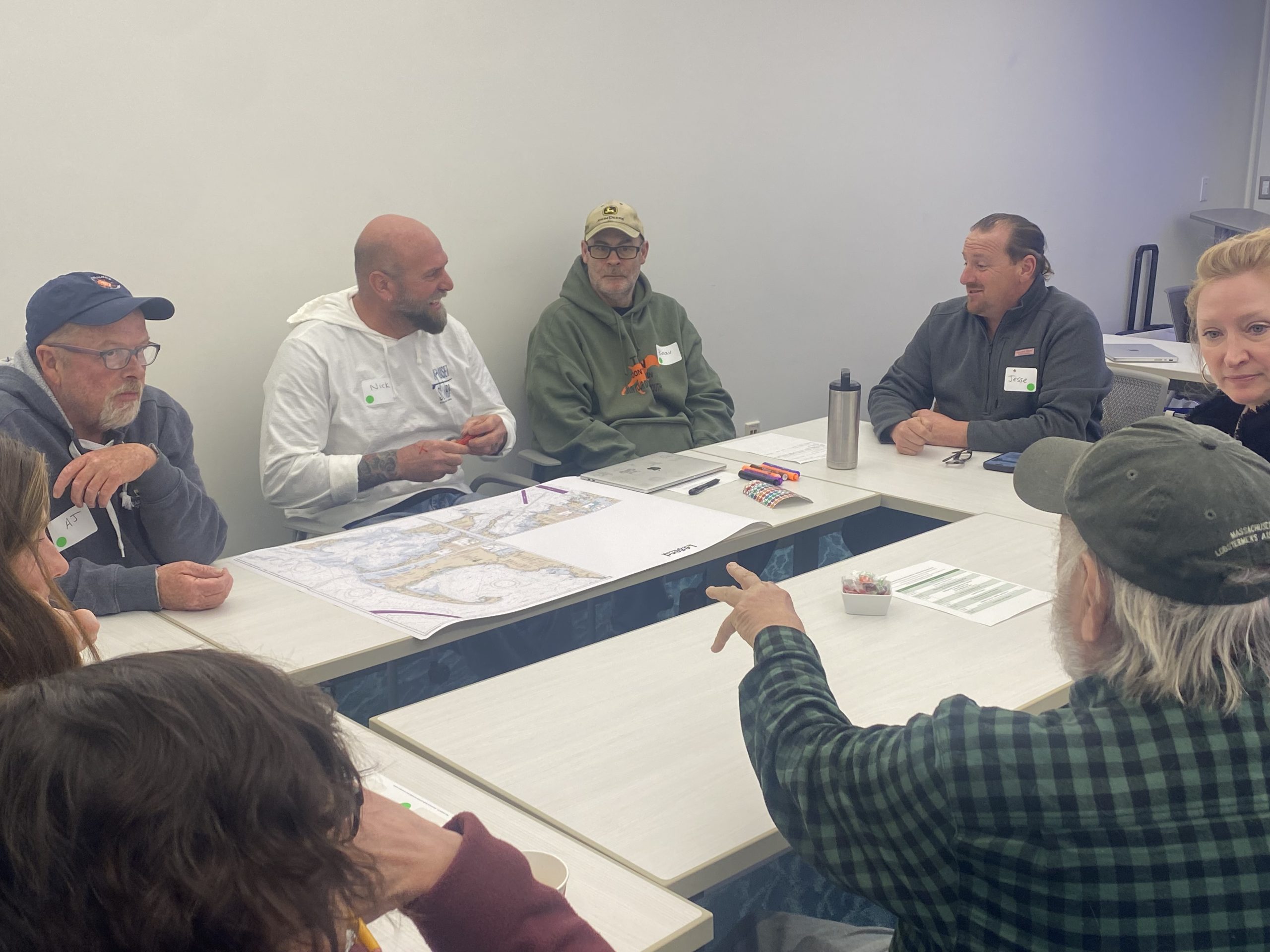
After a presentation on ocean acidification, fishermen Beau Gribbin and Jesse Rose joined scientists and others at a table where a nautical chart of the ocean off the Cape was unfurled. The captains pointed to a spot near the northern part of Georges Bank.
Some scallops they had harvested from that area had the same twisted shells researchers had presented moments before, impacted by ocean acidification.
read more
Fishermen net monkfish data to help industry

Fishermen net monkfish data to help industry

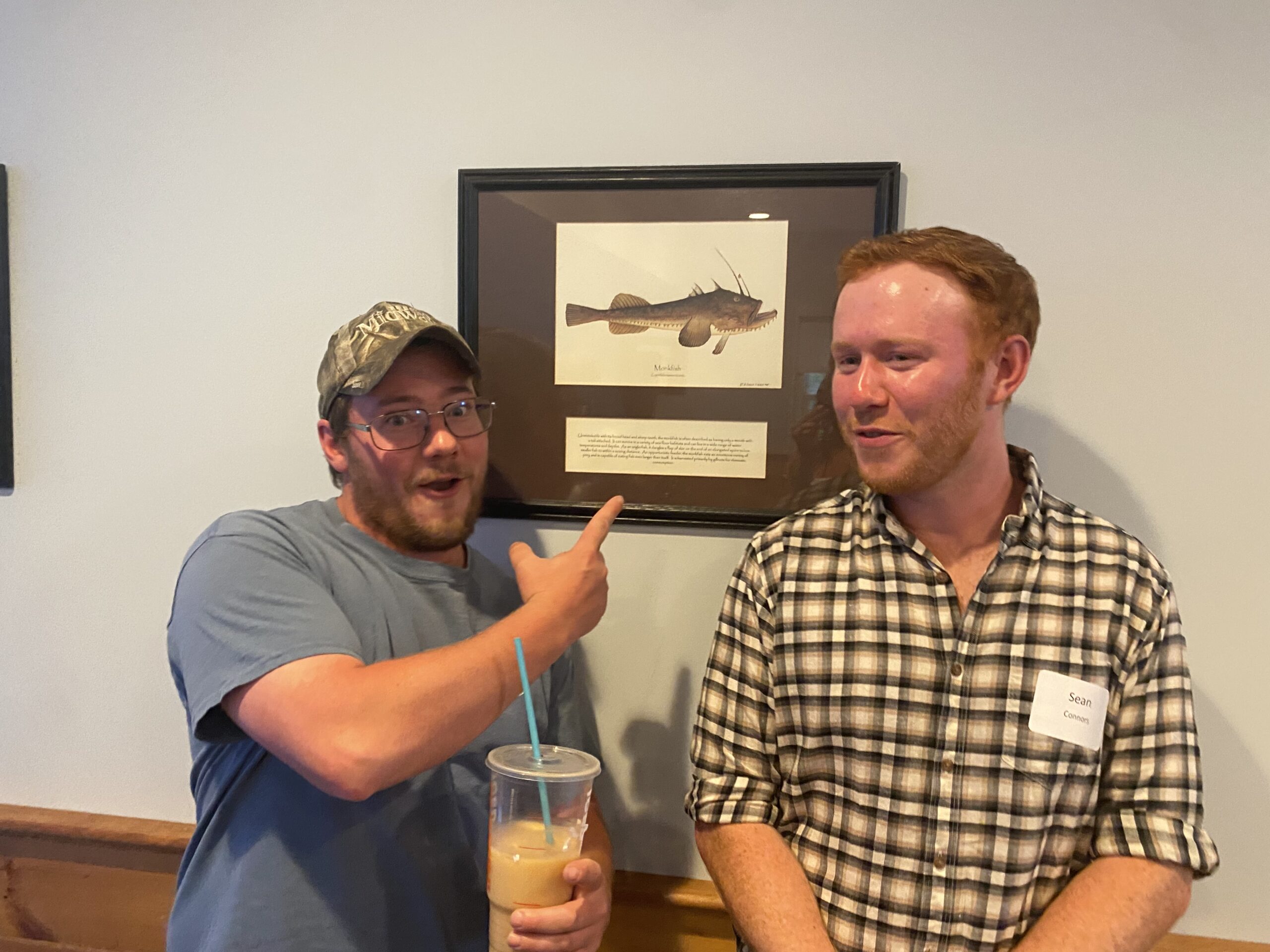
If no one catches fish in the ocean, are they still there? Commercial fishermen say yes, but fisheries science has been saying otherwise.
The disconnect between what fishermen experience on the water and the information regulators use to manage stocks has always been a bugaboo, but it’s a particular problem when it comes to monkfish.

read more
Climate Chief hears about threats to fish, shellfish

Climate Chief hears about threats to fish, shellfish

Captain Bill Amaru has seen a lot of changes in 40 years on the ocean. One of the biggest is warming waters, in part prompting talk about changing the name of Cape Cod to Cape Dogfish or Cape Skate.
“In the past, great schools of cod existed on our shores,” he said. “Now, if you order cod, it is probably not a domestic cod fish.”
Amaru was speaking at Wellfleet Preservation Hall on a panel convened by Massachusetts Climate Chief Melissa Hoffer, who is holding listening sessions to hear about how climate change has impacted lives and businesses.

read more
Provincetown is at the center for Townsend

Provincetown is at the center for Townsend

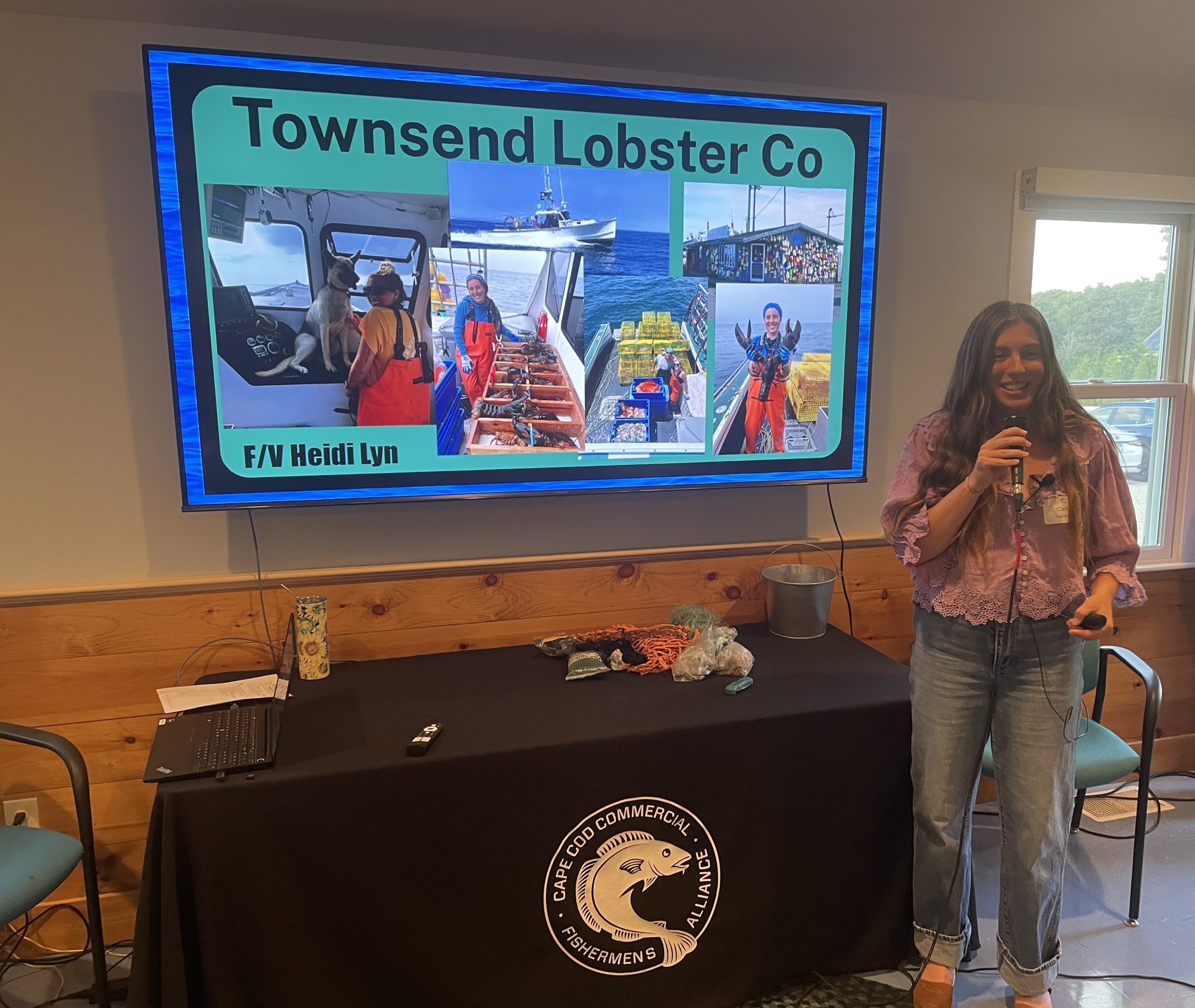
When Caitlin “Caity” Townsend was in elementary school she divided her free time between her family’s seafood business on Cabral Wharf in Provincetown and her dad’s lobster boat.
Close to 20 years later, her world has widened to fishing for salmon in Alaska, selling sockeye on the Cape, recycling fishing gear, as well as advocacy, but lobstering with her dad is still at the heart of it.

read more
Novel experiment turns ocean red

Novel experiment turns ocean red

“So you’re going on an acid trip?” asked my captain, Dean Pesante, as we threw lines aboard the gillnetter F/V Oceana and prepared to head out of Point Judith Harbor into Rhode Island Sound to haul gear one late July morning.
Acid trip? It took me a moment, then I remembered: The afternoon before, I had looped him in on a group text as I tried to find a fill-in for August 13, when I hoped to join a team from Woods Hole Oceanographic Institute as a fishing industry observer for their “Locking Ocean Carbon in the Northeast Shelf and Slope” (LOC-NESS) research cruise.  

read more
The story behind ‘Wellfleets’

The story behind ‘Wellfleets’

When Samuel de Champlain visited Wellfleet Harbor in 1606, he named the place “Port aux Huitres,” Port of Oysters.

A lot has changed, but the name still rings true.  

“Oysters are ingrained into the fabric of our community,” said Nancy Civetta, Wellfleet shellfish constable. “We prioritize that way of life.”

read more
Warming waters may mean more predators for lobsters

Warming waters may mean more predators for lobsters

Jon Grabowski played a video of a cute baby lobster in a tank, scuttling out of his rocky hideaway only to be quickly eaten by a blue crab with a black sea bass looking on.
The stuff of nightmares, joked Grabowski, professor and assistant director at Northeastern University’s Marine Science Center. Grabowski, along with several other researchers, was speaking as part of the National Sea Grant American Lobster Initiative, meant to address critical knowledge gaps about lobster in a changing ocean.
The initiative was launched in 2019 and focuses on increasing the industry’s resilience to biological, economic, and social impacts of ecosystem change.

read more
Low carbon fishing fleet fellowship begins

Low carbon fishing fleet fellowship begins

Captain Dean Karoblis has a close relationship with the John Deere engine that powers his fishing vessel Molly May. He trusts it; as with all fishermen that’s crucial, for lobstermen perhaps even more so.
“Everything I fish is right whale critical habitat,” he said, adding the season is so short, missed days are disastrous. “If any lobsterman is down and out when it’s on, you’re screwed.”
Still, he is willing to experiment with something new.

read more
Ways to the water in peril

Ways to the water in peril

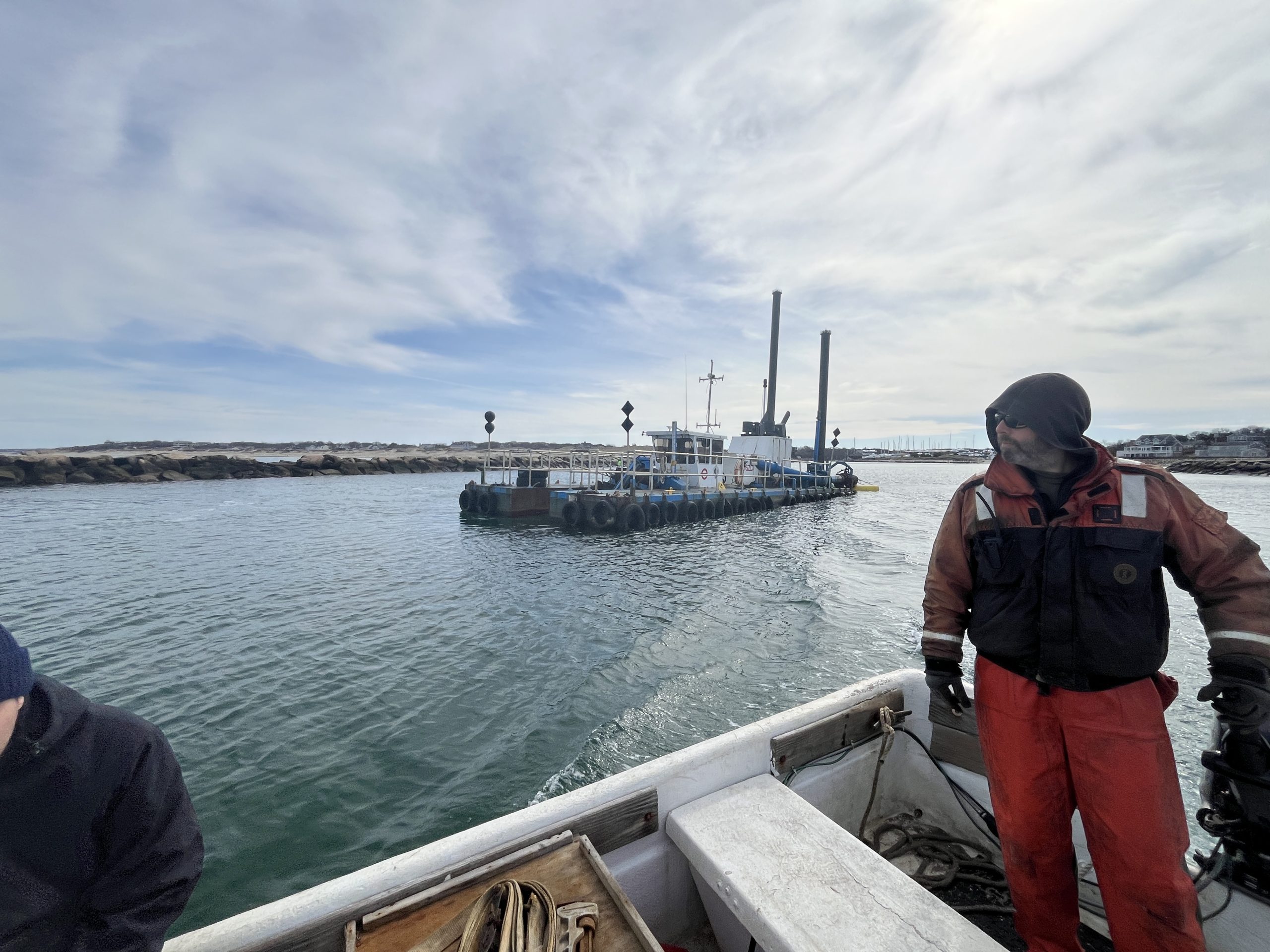
Known as much for its shifting sands as 66 miles of coastline, Chatham relies on dredging and town officials believed they had permits in hand to do the required work.
“We thought we were approaching the finish line, but we were not,” said Greg Berman, Chatham’s director of natural resources. “We are hitting our heads against the wall.”
Communication delays with regulatory agencies meant they discovered last-minute they weren’t going to get a comprehensive dredging permit. The town barely had time to re-direct essential projects out of the larger permit application.

read more

Categories

e-Magazine PDF’s