Sara Cornell, a Nauset High graduate and a senior at University of Miami majoring in Marine Affairs and Ecosystem Science and Policy, interned for us this summer. As she headed back to Miami we asked about her experience.

Sara’s summer
read more
DONATE
Sara Cornell, a Nauset High graduate and a senior at University of Miami majoring in Marine Affairs and Ecosystem Science and Policy, interned for us this summer. As she headed back to Miami we asked about her experience.

Fishing Vessel (F/V) Time Bandit, Kurt Martin at the helm, surged from Chatham fish pier at 4:30 am, leaving darkness to steam into a reddening sky and Nantucket Sound. The day’s target: Black sea bass.
At 42 feet long, more than 15 feet wide, Time Bandit is a great workboat with plenty of elbow room. Kurt smiled when asked how he came up with the name:
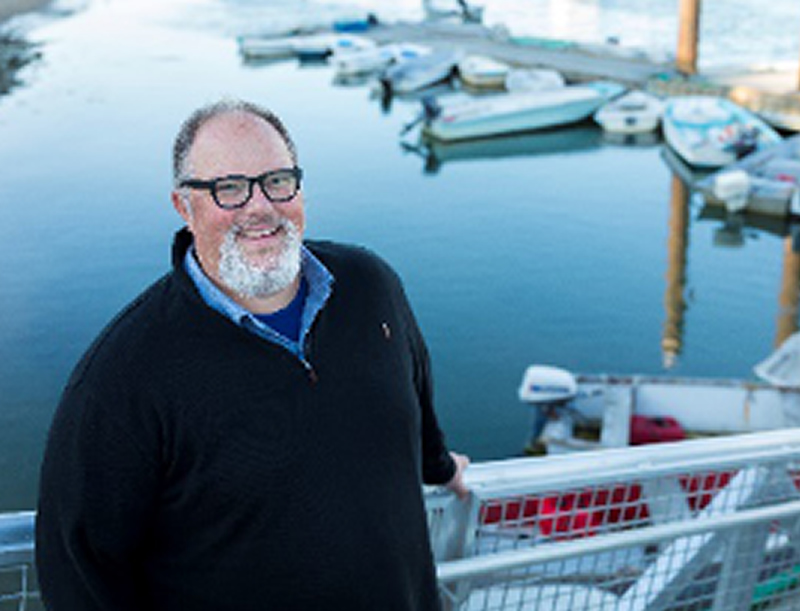
In 1996 the mobile flip phone hit the market, Hubble Space Telescope captured the first surface photos of Pluto, Fox News was launched, Beanie Babies were big and John Pappalardo attended his first New England Fishery Management Council meeting.
“I went up with Fred Bennett. There were a couple of carloads of guys,” remembered Pappalardo, 24 at the time. “I had never seen anything like it. I knew from the fishermen these are the people who make the rules.”

We’re on the cusp of a new era in collaborative research—an era where data is also helping fishermen make day-to-day decisions about where and when to fish, allowing them to be more efficient and help them adapt in the face of a rapidly changing ocean.

On a chilly late April night, half of Sandwich Marina was quiet, empty docks waiting for summer visitors, pleasure boats with names like Knot Working filling the parking lot.
The other half was packed with commercial fishing boats, flags flying, names like Resolve and Southpaw.
Next to the harbormaster’s shingled office, in a maintenance building with garage doors facing the parking lot, the smell of fuel heavy in the air, more than a dozen folding chairs were organized in a circle on the concrete floor.

A lot of people look forward to signs of spring, daffodils, peepers, river herring and the chance for new beginnings. I’m no different, but what flips the switch on a long winter for me is NGOM – the Northern Gulf of Maine scallop season.
NGOM, a high-stakes, fast-paced fishery, is the kickoff event for my fishing season. I start with NGOM, then my dad sets his lobster traps in May, and then in June, I fly out to Bristol Bay, Alaska to harvest sockeye salmon. When I arrive home in August, the timing lines up perfectly with the lobster run.
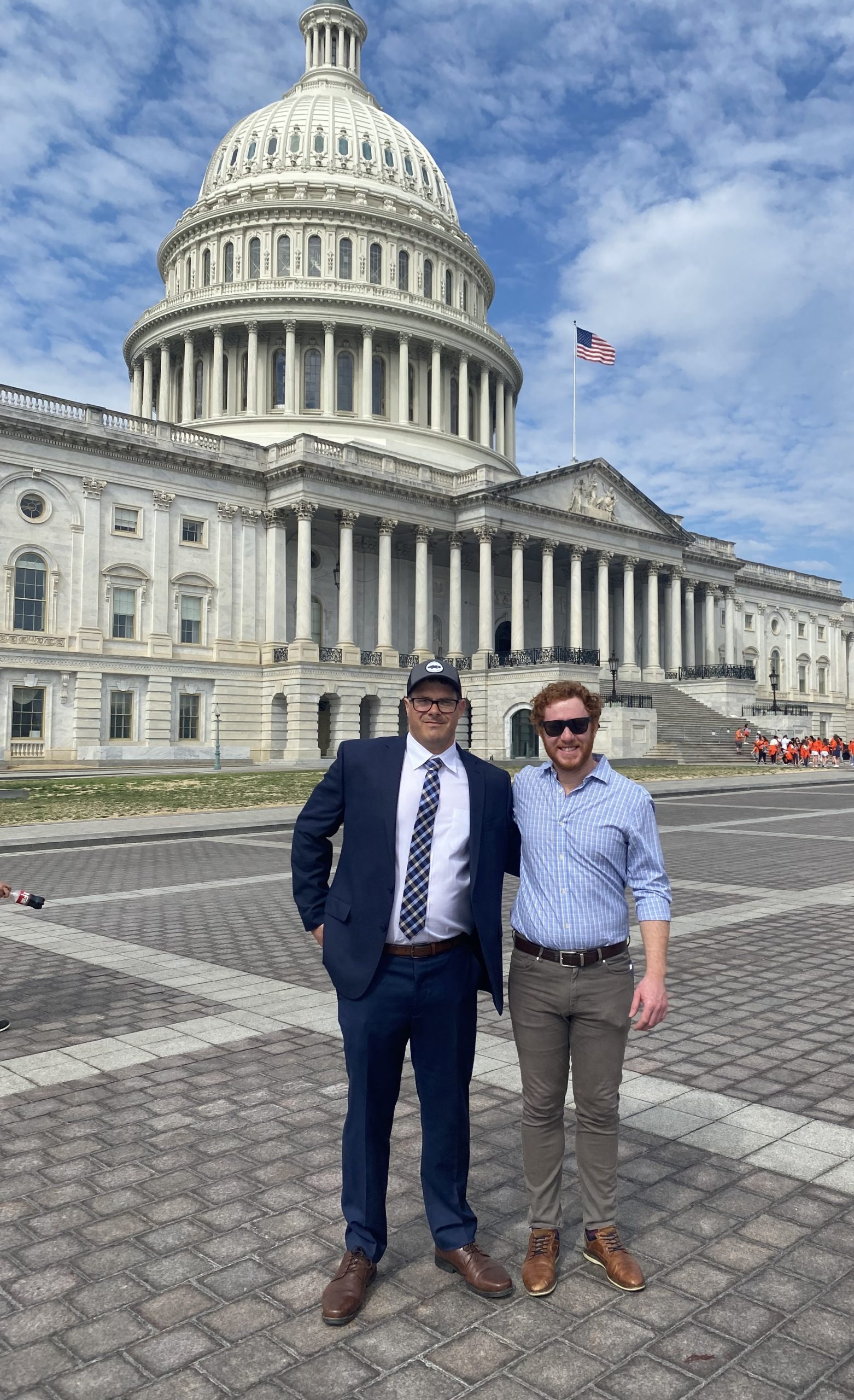
A group of commercial fishermen and industry advocates from across the country sat down at a table in NOAA’s Silver Spring, Maryland headquarters with Assistant Administrator Eugenio Piñeiro Soler, who runs the National Marine Fisheries Service (NMFS). Like many meetings they have had with policymakers, the fishermen talked about unnecessary regulatory burdens, needless closures, an unequal playing field, under-investment, instability, inadequate science, lack of training and other barriers to their success. It was clear that the leader of NMFS, on the job for a little less than a year, had been having many similar conversations around the country.
Piñeiro Soler nodded and said those hurdles “distract you from what you do well, which is fishing.”

Jamie Bassett runs a packing businesses at the Chatham Fish Pier, a fulcrum building for the industry since the 1940s.
“My grandfather probably brought fish into this port a time or two,” Bassett told a crowd gathered on a frigid January morning.
In his grandfather’s day the pier was known for cod. Now Chatham is known for skates.
“We did three million pounds of skate in 2024,” Bassett said.
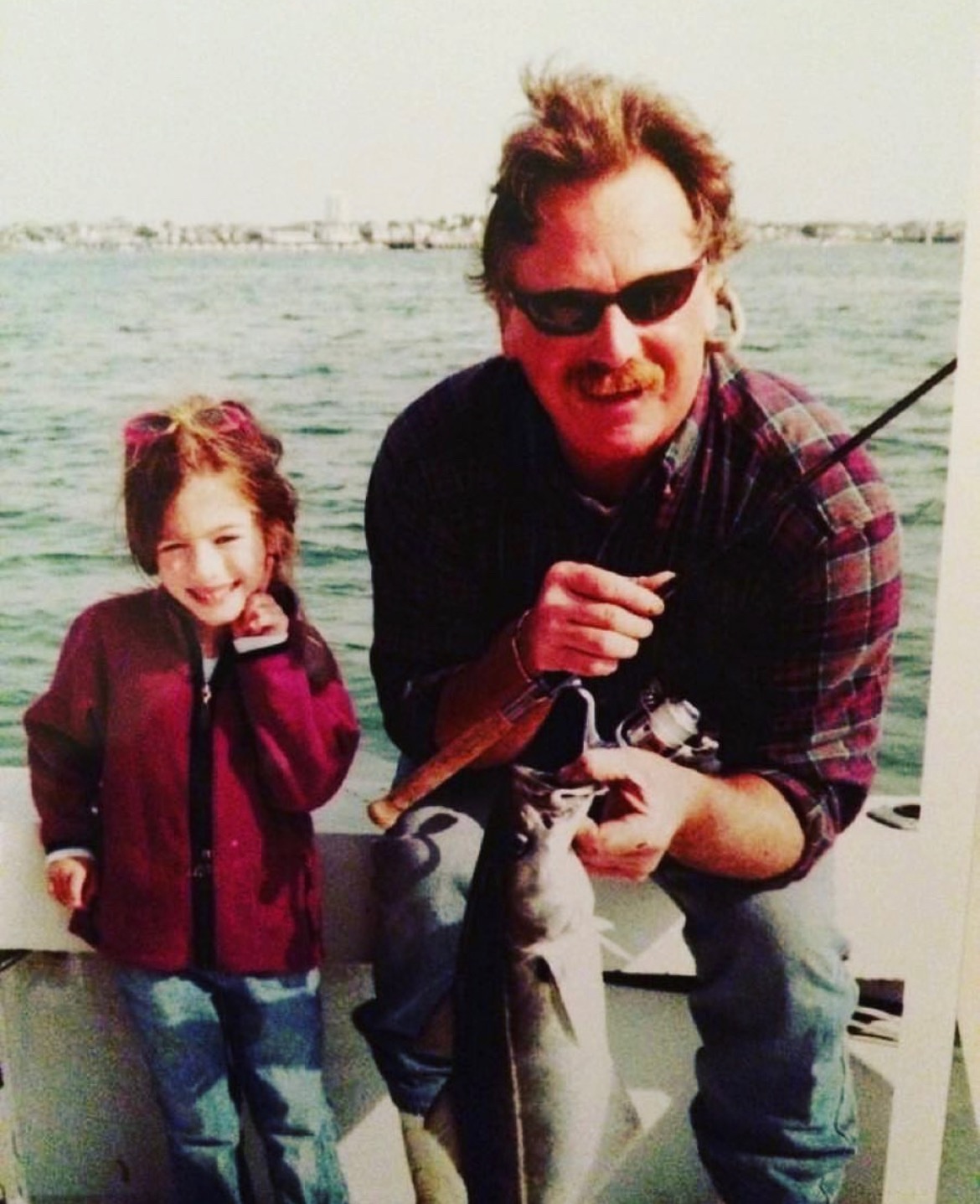
The first day of a 50-hour Marine Resource Education Program, a presenter said something that stuck with me the entire week:
“I am here teaching this topic to a grandson of someone I worked with in this industry.”
The enduring way of life and deep personal connections commercial fishing provides is one reason I chose to work at the Fishermen’s Alliance, and heck, that’s one of the reasons I have chosen to do almost everything I have done in my life.
e-Magazine PDF’s