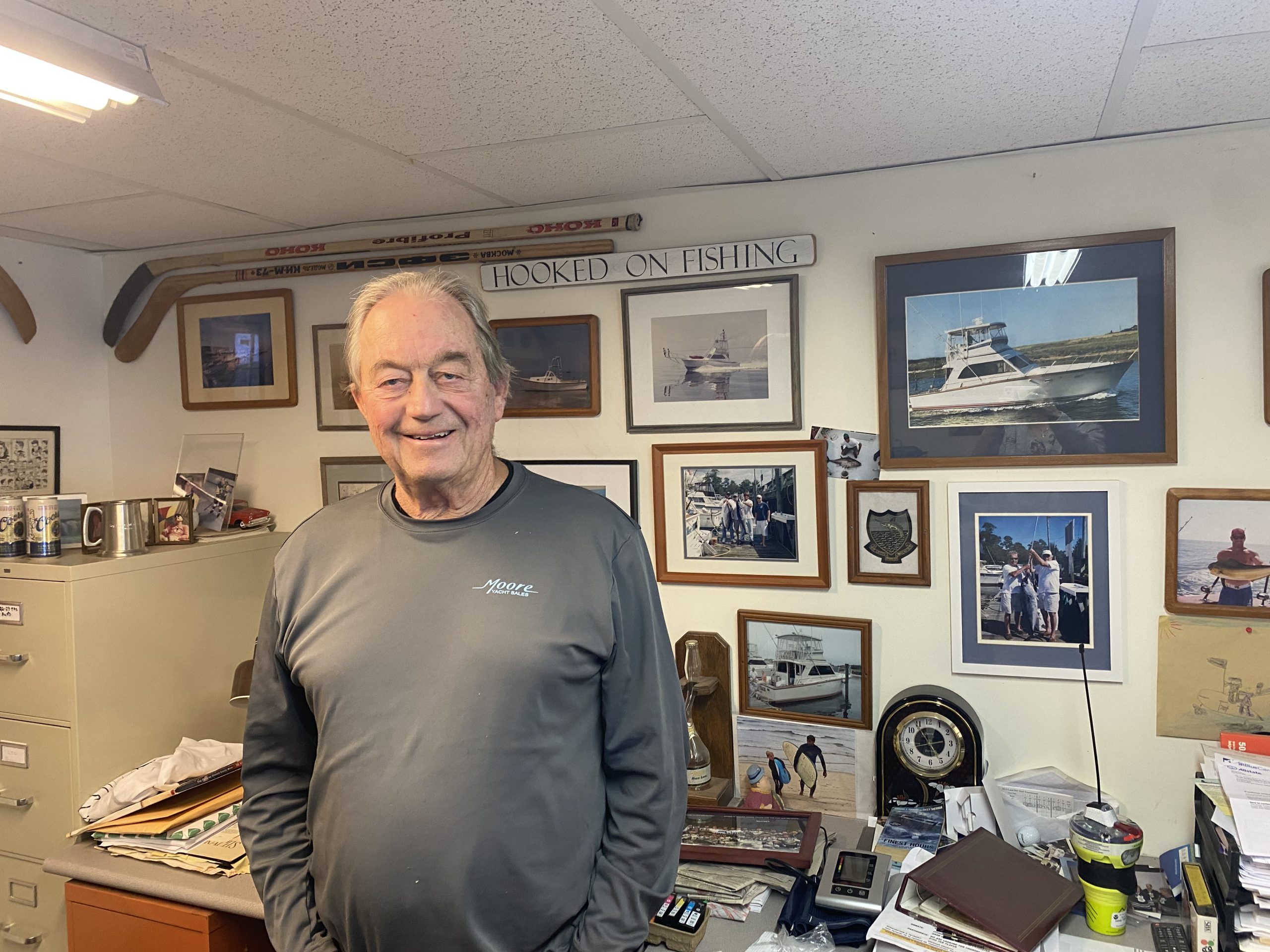
“Did you ever really love something? We had a community. We got what it was that fascinated us.”
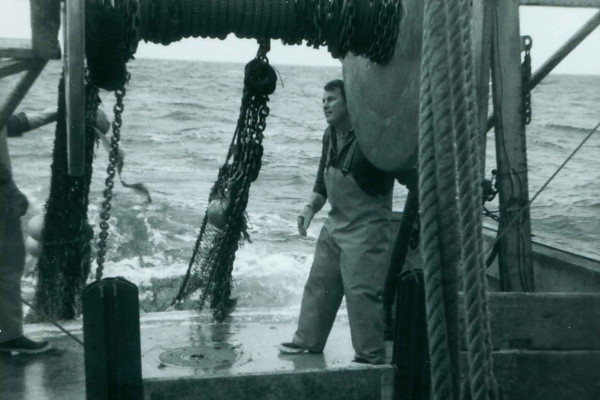
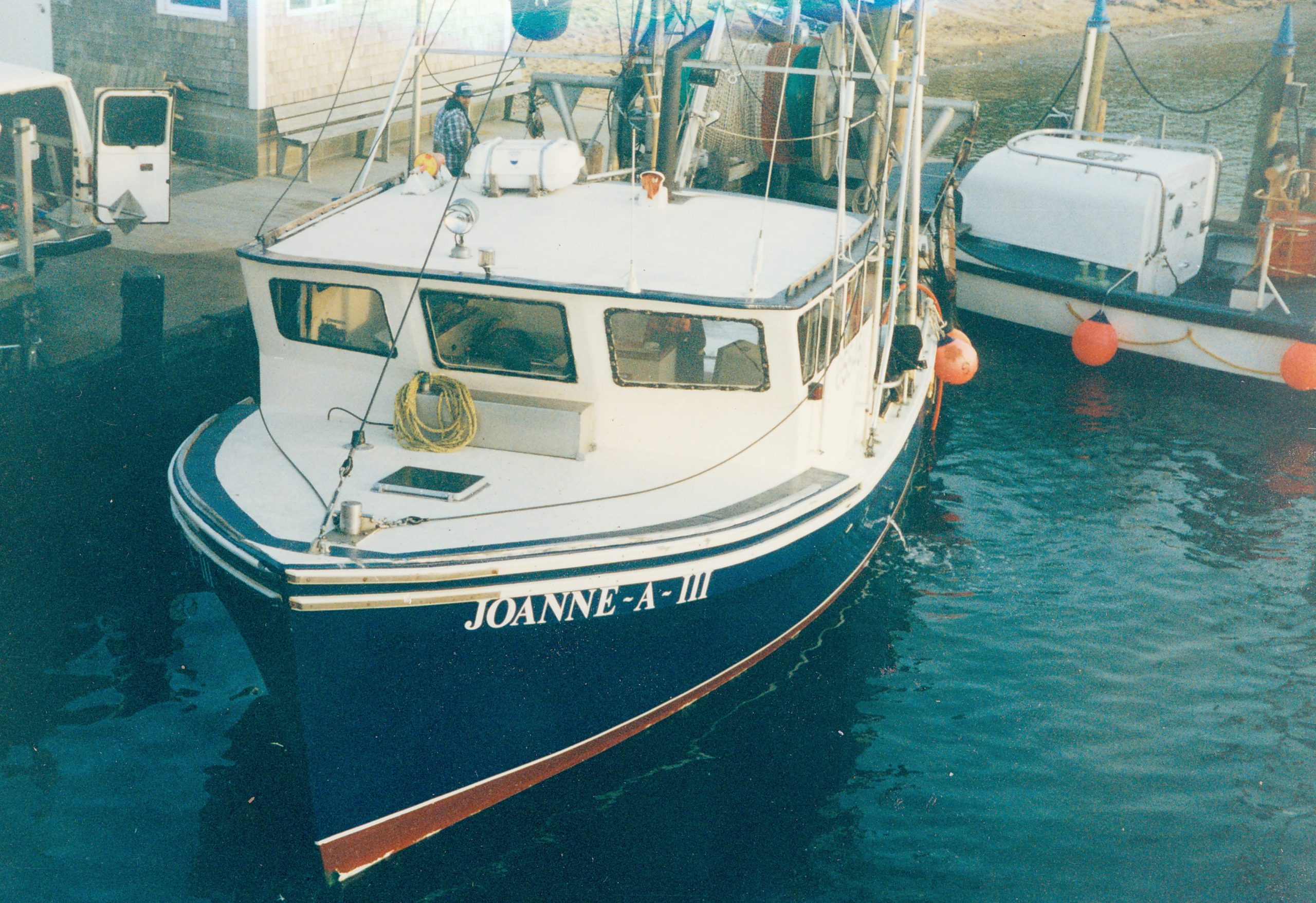
Mike Anderson is talking about commercial fishing during a certain time and place with certain people.
He describes his heydays, the late 1960s through the late 1980s, although he fished for decades after and still quahogs, as “idyllic, Hemingway-esque.”
Charting the Past
Eighty years of fish stories
Fred Bennett remembers the first fish he caught more than 80 years ago. He tells the story with a smile.
He was seven or eight and fishing with his family off Menemsha, Martha’s Vineyard. He lived in Marion, but his dad went fishing whenever he could and that weekend they were after swordfish.
East Boat Basin beginnings
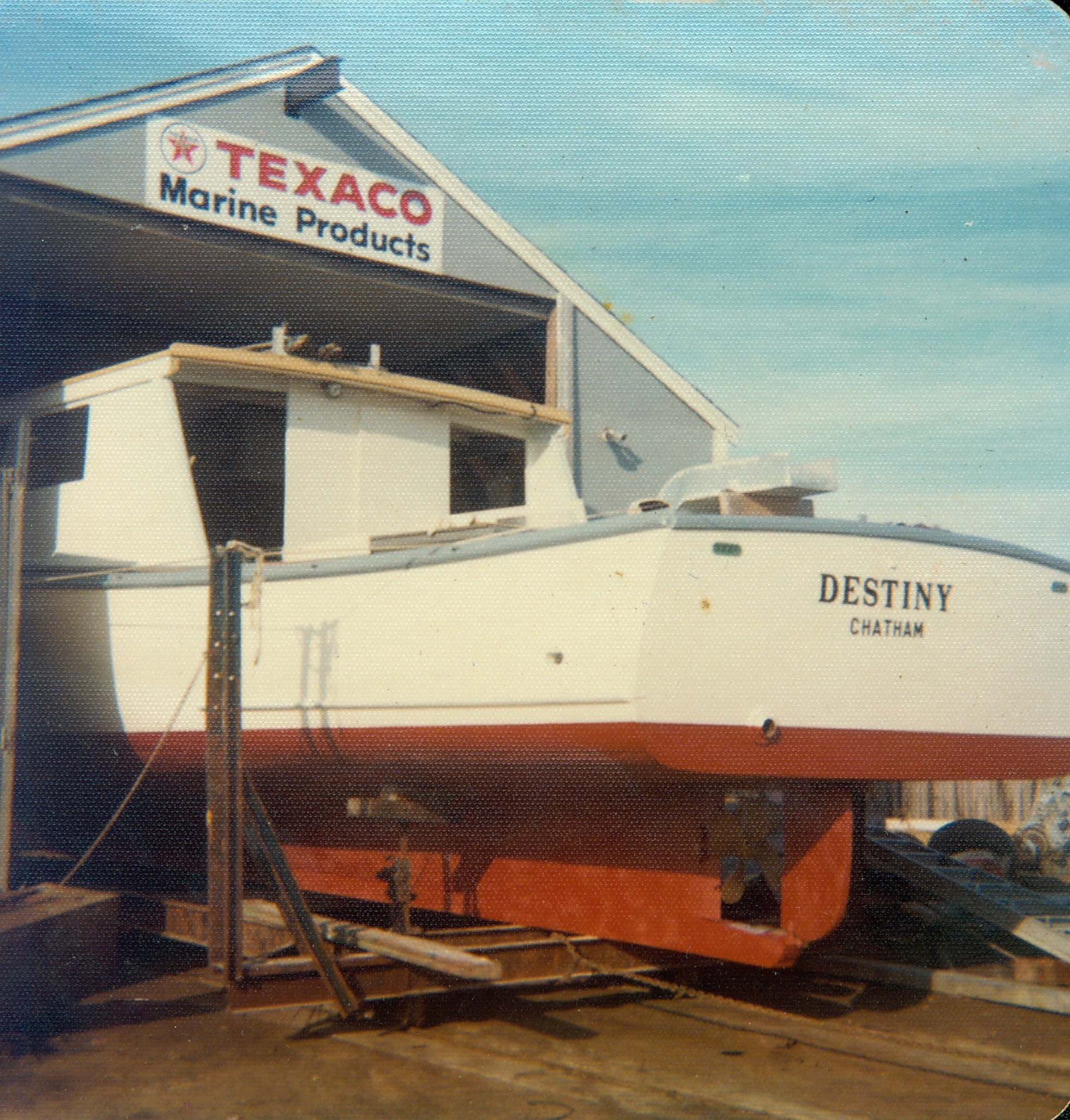
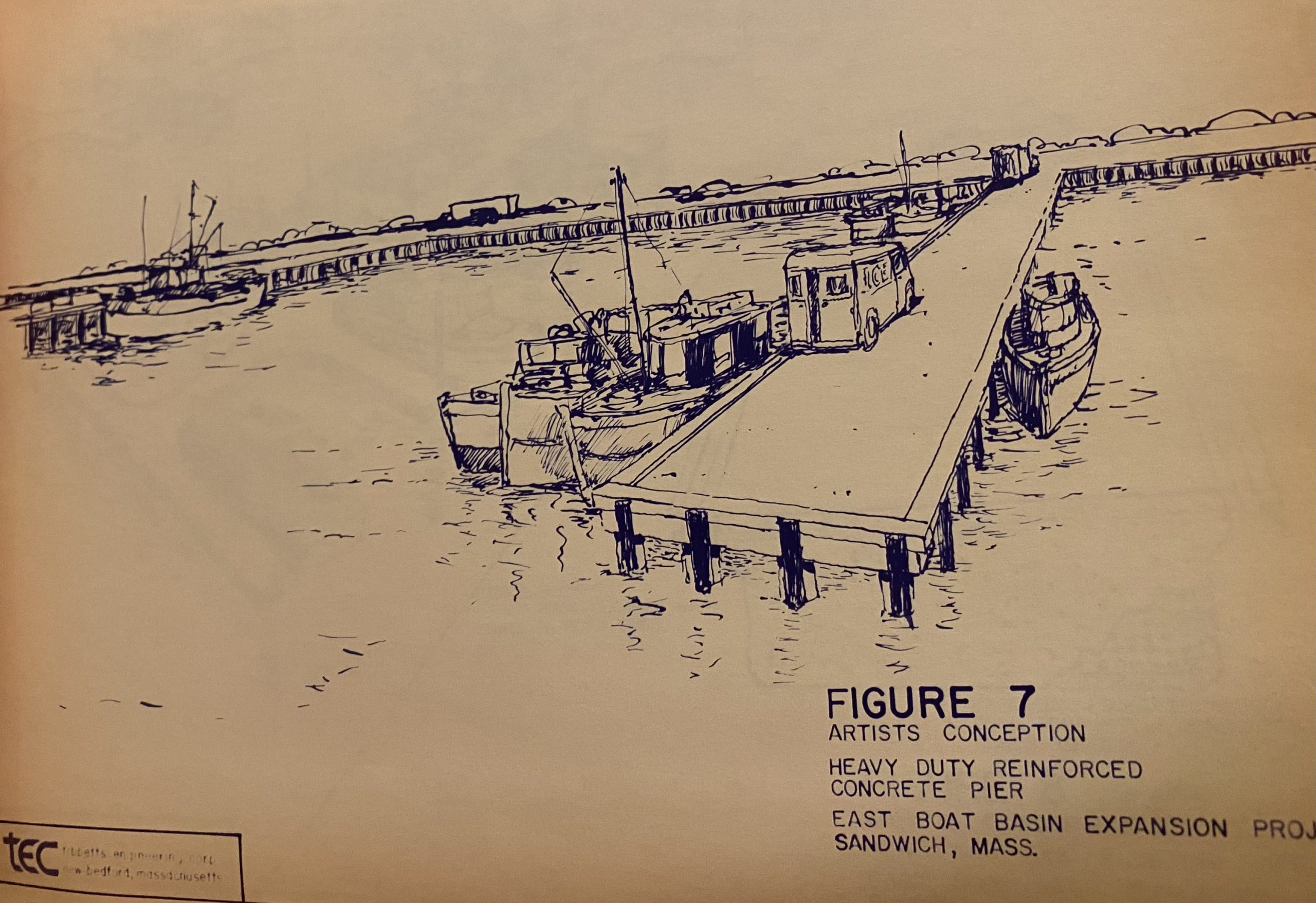
Fisherman Scott Torrey was born in 1958, near Scorton Creek in Sandwich. He spent a lot of time in the creek, clamming, striper fishing, and when he got older he often found himself down at the Sandwich Marina, which looked very different than it does today.
There were no finger piers. There were pilings, a makeshift dock and a lot of commercial fishermen moored in the middle of the basin or rafted up next to the dock.
“There would be eight to 10 boats rafted together,” Torrey, now the captain of Time and Tide, remembered. “If you left you would have to tie all the other boats back up. It was crazy.”
Ocean shifts change how we define the Cape
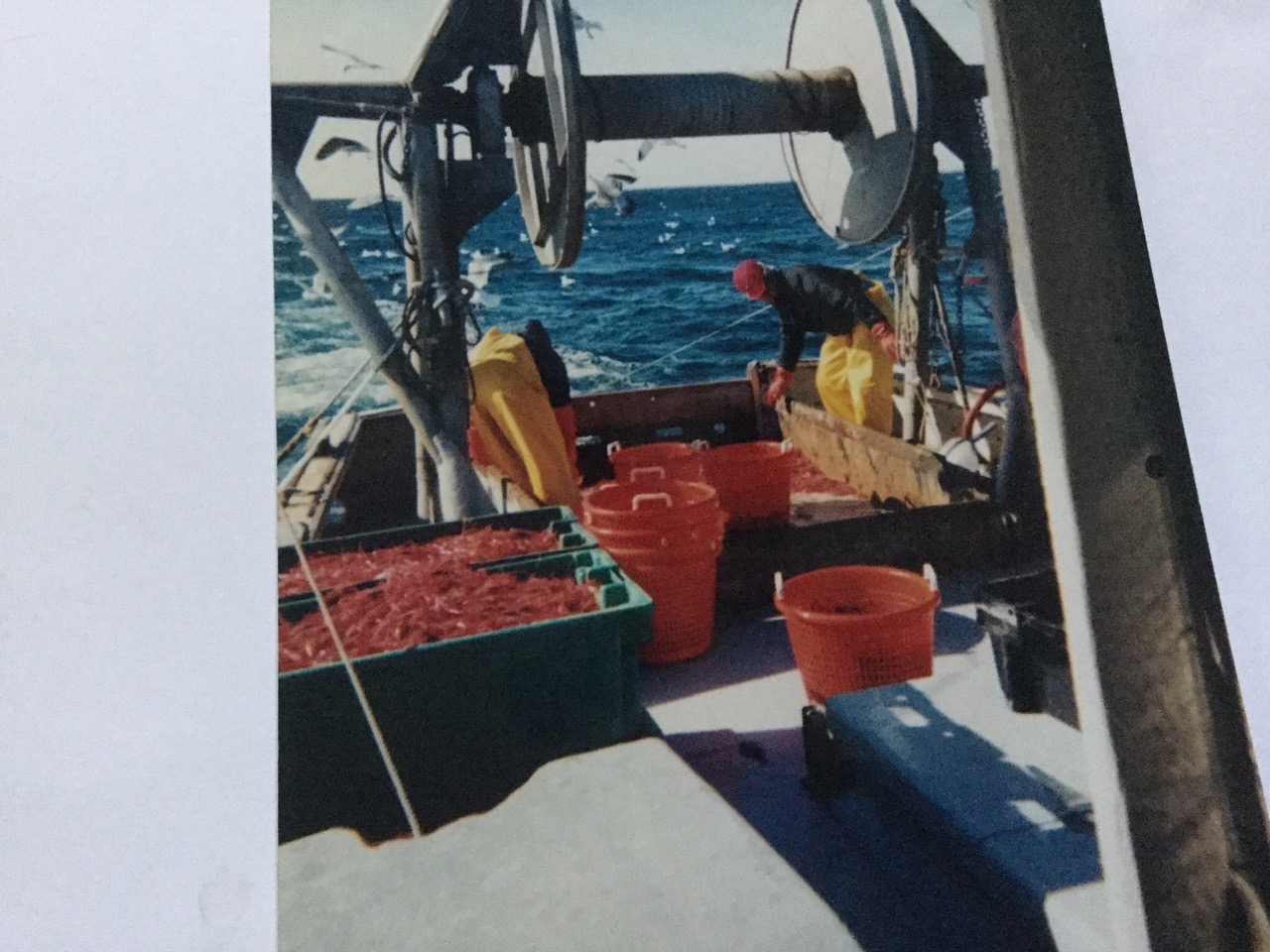
There is nothing more ubiquitous on Cape Cod and throughout New England than Homarus Americanus, more commonly named Maine lobster. And there was once a tasty shrimp landed in our waters by the millions of pounds called Pandulus Borealis or Arctic shrimp. One of these two is now extremely rare in New England waters, commercially extinct. The other is still plentiful but could be heading in the same direction.
Our connection to herring
In the early days of town budgets on the Cape, salaries of town employees were offset by an abundance of small silver fish that ran in rivers come spring.
Wellfleet paid 17 employees in the late 1800s with revenue from river herring and had money left over to cover streetlights ($99.70) snow clearing ($67.63) and other expenses, including shingling the high school roof, according to Earle Rich in “More Cape Cod Echoes.”
An engine’s enduring value
From 1983 to 2013 the “Maid of the Mist-V” operated as a 72-foot passenger boat that took guests for a tour among the swirling currents and numerous eddies that lie below Niagara Falls, New York. Some boat called the Maid of the Mist had been operating in the rapids below the falls since 1846.
You might be thinking, “What the heck does the Maid of the Mist have to do with Cape Cod and fishing?” Appropriate question. My wife did work for the Maid of the Mist Company when she lived in Lewiston, NY before we met in college. An indirect but significant connection.
Charlie Miller’s time at Rock Harbor
Commercial quahog dragging is not for the faint of heart; a 1,000-pound metal cage filled with big mollusks swings towards you. Still, it’s better than doing it with bombs falling.
Charlie Miller, who spent summers half a mile from Rock Harbor when he was a kid, remembers fishing with Chet Higgins, captain of F/V Old Glory. Higgins, who lived in Orleans, would pick Miller up at 5 a.m. in his Corvair and drive to Wellfleet where he had his boat.
Sometimes they’d be dragging by the SS Longstreet, a target ship for the military, and as warning pilots would circle three times so boats could move out of the area before they started.
A Harwich sea captain’s seared palm inspired the nation
Jonathan W. Walker was one of many Cape Cod men whose early times were all about the sea, born in 1799, Harwich captain of a fishing vessel. But then his life took a turn that led to infamy:
He became “the man with the branded hand,” an anti-slavery crusader whose handshake bore proof of his actions and beliefs. Branded by a United States marshal after caught at sea trying to smuggle slaves, the scalded letters “S S” were meant to stand for “Slave Stealer.”
The ocean’s price
I have written stories of the risks encountered while at sea. But the ocean surrounding our Cape shores also provides many a life-long living. The bounty we take from our waters sustains and enriches us. The sea has, for millennia, given of its stores for the betterment of man and continues to do so. However, it does so at a cost. It’s important to remain aware not only of the wealth the sea provides but of the tasks it demands of us as well. When at sea in small boats remaining aware of the surrounding waters is not only necessary but critical. An experience we once had serves as an example of this contrast.
Categories
e-Magazine PDF’s