
By Doreen Leggett
Captain Bill Amaru has seen a lot of changes in 40 years on the ocean. One of the biggest is warming waters, in part prompting talk about changing the name of Cape Cod to Cape Dogfish or Cape Skate.
“In the past, great schools of cod existed on our shores,” he said. “Now, if you order cod, it is probably not a domestic cod fish.”
Amaru was speaking at Wellfleet Preservation Hall on a panel convened by Massachusetts Climate Chief Melissa Hoffer, who is holding listening sessions to hear about how climate change has impacted lives and businesses.
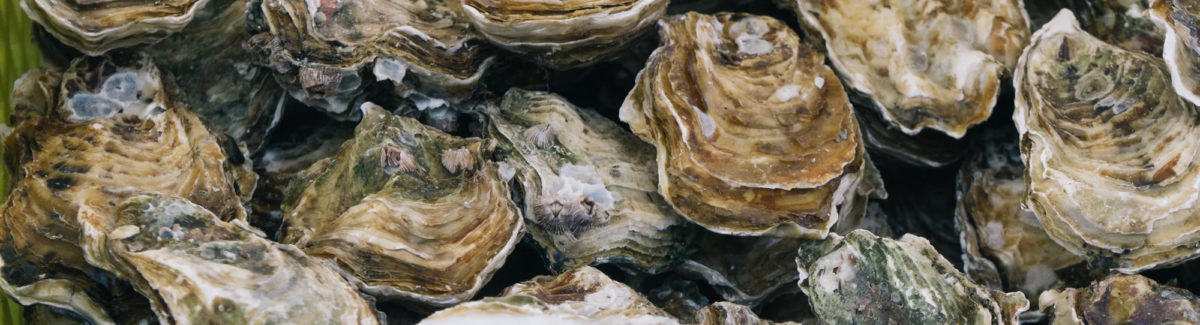
Fishermen have struggled to market fish they now catch, but the famous fish may not be the only iconic species to be lost. With the temperature of Wellfleet Harbor continuing to rise, there is even concern a time may come when the sale of oysters in the summer is restricted.
“We are a long way from that, but what would happen?” wondered Wellfleet Shellfish Constable Nancy Civetta. Would the Cape would get its oysters from Canada? “It’s just unthinkable.” Civetta, a panelist at the October forum, arrived in a flurry, waders on, just in from doing inspections in advance of the famous Wellfleet Oysterfest.
Former Selectwoman Kathleen Bacon had started the conversation. Bacon said oysters bring in more than $10 million a year to the town. With water temperatures more than 70 degrees at times she worried about the impact.
“We are dead in the water without it,” she said.
Civetta agreed and said oysters in the Gulf of Mexico thrive in warm water, so that isn’t the issue. It’s complications from pathogens which also enjoy warmer water. The town and state already have regulations in place to protect the public, but Hoffer said forewarned is forearmed, the reason for her listening tour.
“The more you can think of things ahead of time, the easier it is to navigate,” she said.
Hoffer added she was happy to hear the state had revamped some regulations to acknowledge how climate change had lengthened the spawning season for shellfish.
She said studies have shown that the majority of people in the United States are worried about climate change and want their government to take action.
“Most of us want to protect the places we love,” she added.
The state is drawing up coastal resilience districts and proposing $200 million in the “Mass Ready Act” to help implement recommendations.
Climate change has real costs, Hoffer said, quoting estimates that the United States is spending a trillion dollars just responding to extreme weather events.
“That’s money that is not going to other needs,” she said.
Examples of that expense emerged in Wellfleet, and at a second event in Barnstable, held at the Cape Cod Chamber of Commerce. Some homeowners in Provincetown are spending more than $500,000 on protective seawalls, which are not stopping flooding. Others have lost homes to the sea while others can’t get their homes insured; Barnstable County has the third highest non-renewal rate in the country.
The Cape Cod Commission is looking into a catastrophic event fund to help mitigate costs.
Commercial fishermen, on the front lines of climate change, have been working for years to prepare for accelerating changes.
Glen Gawarkiewicz, a physical oceanographer at Woods Hole Oceanographic Institution, and Dean Karoblis, a lobsterman out of Sandwich, told Hoffer and staff at the Massachusetts Executive Office of Energy and Environmental Affairs about the importance of collaborative research programs.
Gawarkiewicz spoke of a partnership between researchers and fishermen, vessels outfitted with environmental sensors that collect bottom water temperatures, temperature profiles, and dissolved oxygen data. The program, Environmental Monitors on Lobster Traps and Large Trawlers (eMOLT), helps scientists develop more accurate models and helps fishermen improve their practices.
Changing ocean temperatures means fish species are in different areas than traditionally found. Data collected helps fishermen predict where to go and be successful.
“EMOLT is my note of optimism,” Gawarkiewicz told the group.
Karoblis has seen shifts in his lobster fishery. Lobsters prefer water temperatures 46 to 57 degrees, so as waters warm Karoblis’ season has gotten shorter.
“If I can’t go, I can’t make money,” he said.
Karoblis said regulators and government staff are beginning to pay attention to what fishermen have been telling them.
“For years I have been told that everything I see is anecdotal,” he said.
To be better prepared for changes, as well as help influence them, Karoblis is involved with the Climate Friendly Fishery Action Campaign.
“If I am not at the table I am going to get served anyway,” he said.
Hoffer said changes affect the social fabric of communities as well as economic health.
“These translate into real pocketbook issues,” she said.