On a frigid December morning the Hyannis marina was quiet, buttoned up for winter, only a few pleasure boats left to be pulled, very different from the typical summer bustle.
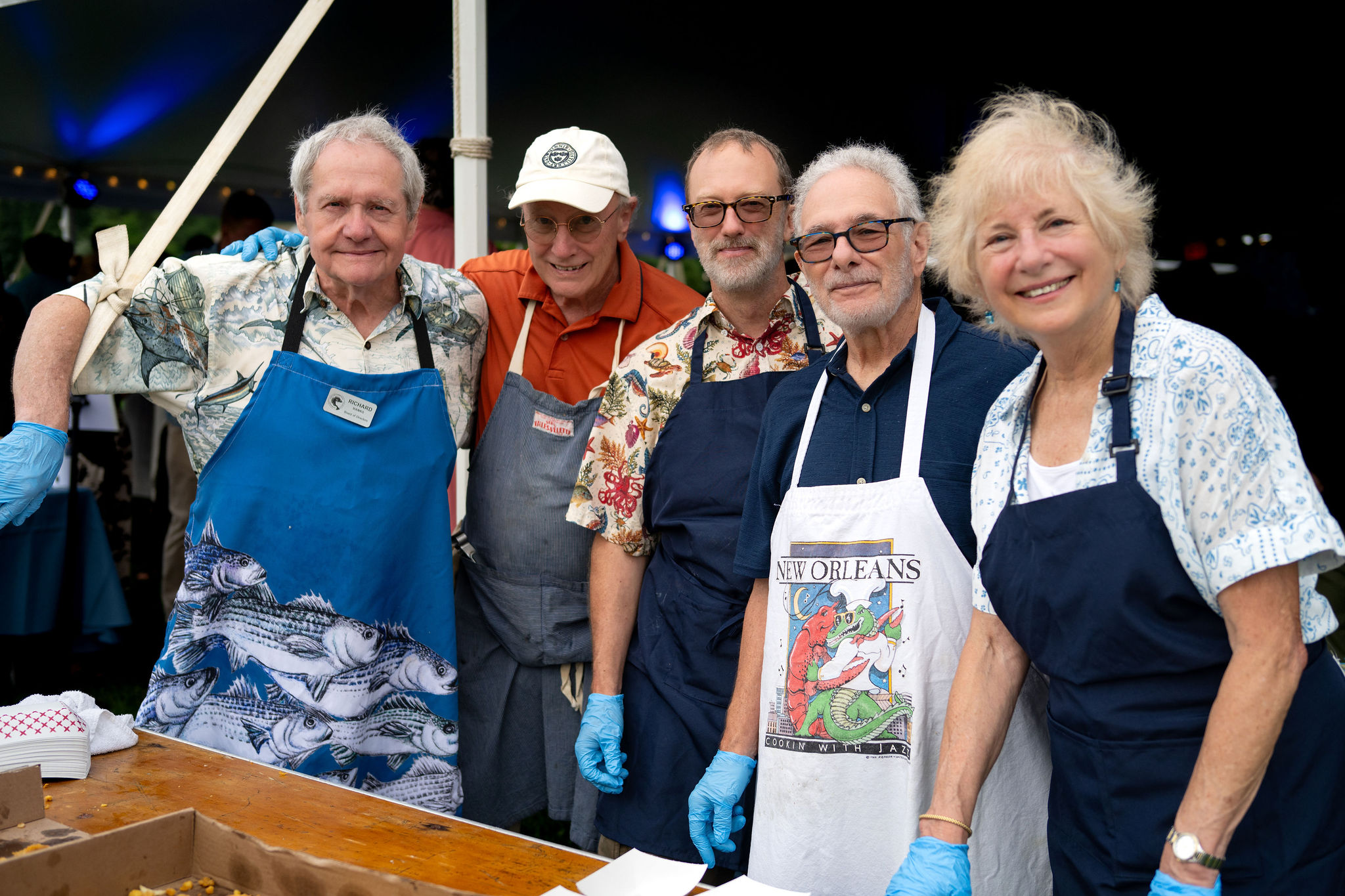
Inside Tugboats, a restaurant with a handsome harbor view, the scene was quite different: Warm, active, full of people from across the Cape and Commonwealth, convened to celebrate the commercial fishing industry.
There was a specific reason to gather:
Our Alliance was accepting a $500,000 “big check,” symbolic of support we received in the most recent state budget to buttress our work, which in turn strengthens the small-boat, independent fleet.
Monthly e-Magazine Articles
Clint Austin finds treasure in oysters, family
Family lore has it that when Clint Austin was a baby his mom, Barbara, would drag him around in a fish tote when she harvested shellfish; his first memory, when he was around four, is watching his mom shuck hundreds of oysters.
Other childhood memories: On his mom’s grant watching sunset and playing with crabs, getting his junior shellfish license at 13, harvesting in the wild fishery and on farms. Austin likely spent more time on the flats in Wellfleet than anywhere else; when he graduated from Nauset Regional High School he headed to Westfield State to pursue an environmental major.
He wasn’t gone long.
Climate Chief hears about threats to fish, shellfish
Captain Bill Amaru has seen a lot of changes in 40 years on the ocean. One of the biggest is warming waters, in part prompting talk about changing the name of Cape Cod to Cape Dogfish or Cape Skate.
“In the past, great schools of cod existed on our shores,” he said. “Now, if you order cod, it is probably not a domestic cod fish.”
Amaru was speaking at Wellfleet Preservation Hall on a panel convened by Massachusetts Climate Chief Melissa Hoffer, who is holding listening sessions to hear about how climate change has impacted lives and businesses.
On the flats in Brewster
Most farmers don’t have to worry about the tides. The carrots and tomatoes tend to mind their own business on solid ground, always available for a look-see.
But if you wrangle oysters for a living, the ever-changing moods of the ocean are front and center. Low tide is your time to work. You’ve got to make those precious hours count. Sure, the oysters aren’t going to run away, but they need love and attention along the lengthy journey to market size.
This was just one takeaway from an action-packed Harwich Conservation Trust (HCT) Oyster Farm Tour, a splendid outing on a beautiful evening, with the tide rolling out and the sun sweetly sinking into Cape Cod Bay.
Charlie Miller’s time at Rock Harbor
Commercial quahog dragging is not for the faint of heart; a 1,000-pound metal cage filled with big mollusks swings towards you. Still, it’s better than doing it with bombs falling.
Charlie Miller, who spent summers half a mile from Rock Harbor when he was a kid, remembers fishing with Chet Higgins, captain of F/V Old Glory. Higgins, who lived in Orleans, would pick Miller up at 5 a.m. in his Corvair and drive to Wellfleet where he had his boat.
Sometimes they’d be dragging by the SS Longstreet, a target ship for the military, and as warning pilots would circle three times so boats could move out of the area before they started.
Photo Gallery: Rock Harbor in the old days
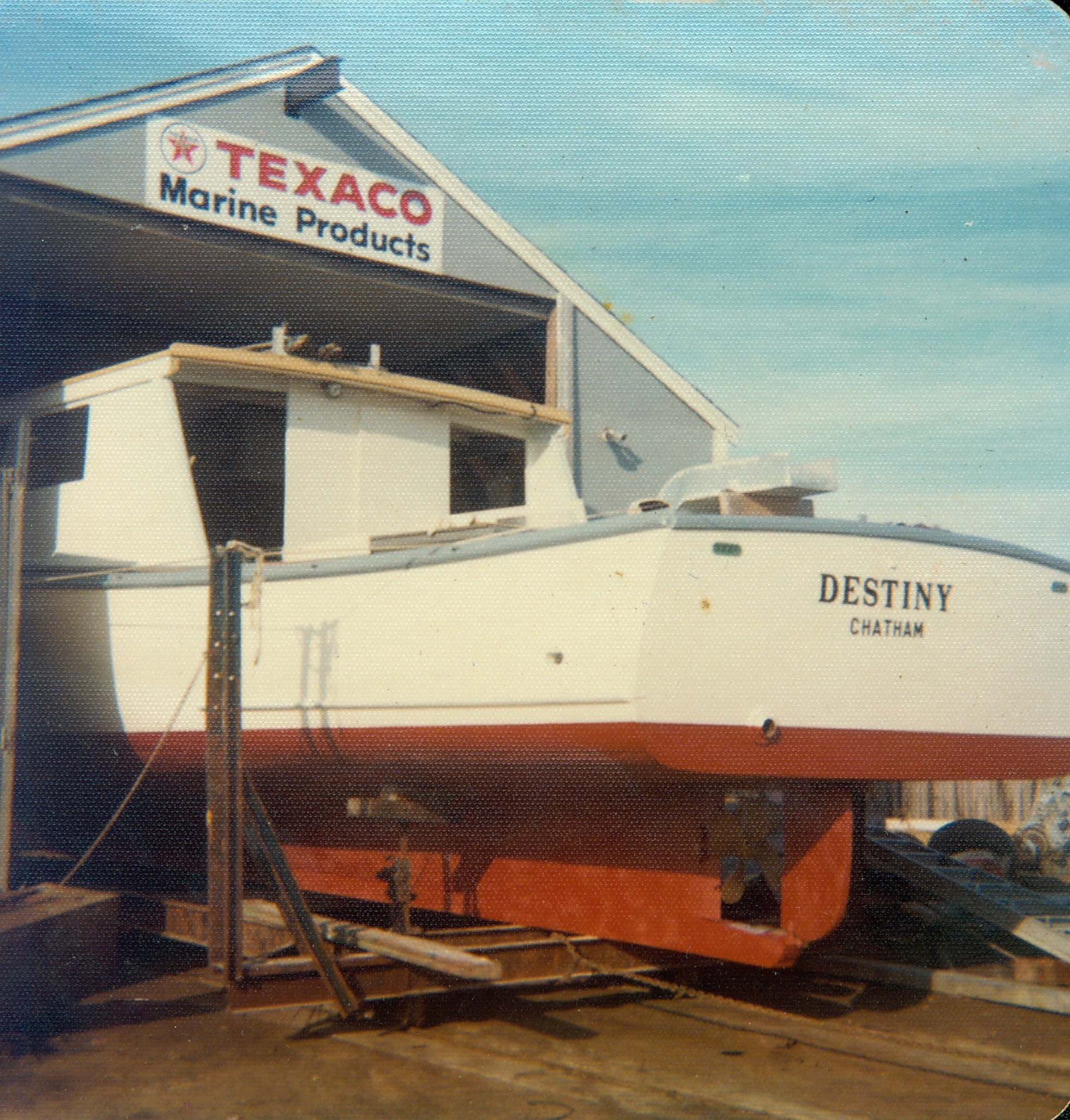
Thanksgiving is a fitting time to thank chroniclers, archivists, historians, those who capture places and times so they aren’t lost. Charlie Miller (profiled in this issue) is one of those people, more by chance than intent. He spent his life around Rock Harbor and he had a camera that captured more than 50 years of history. We are sharing some of his photos from the 1960s and 1970s with the reminder to protect and preserve the places you love for those who come after.
Categories
e-Magazine PDF’s