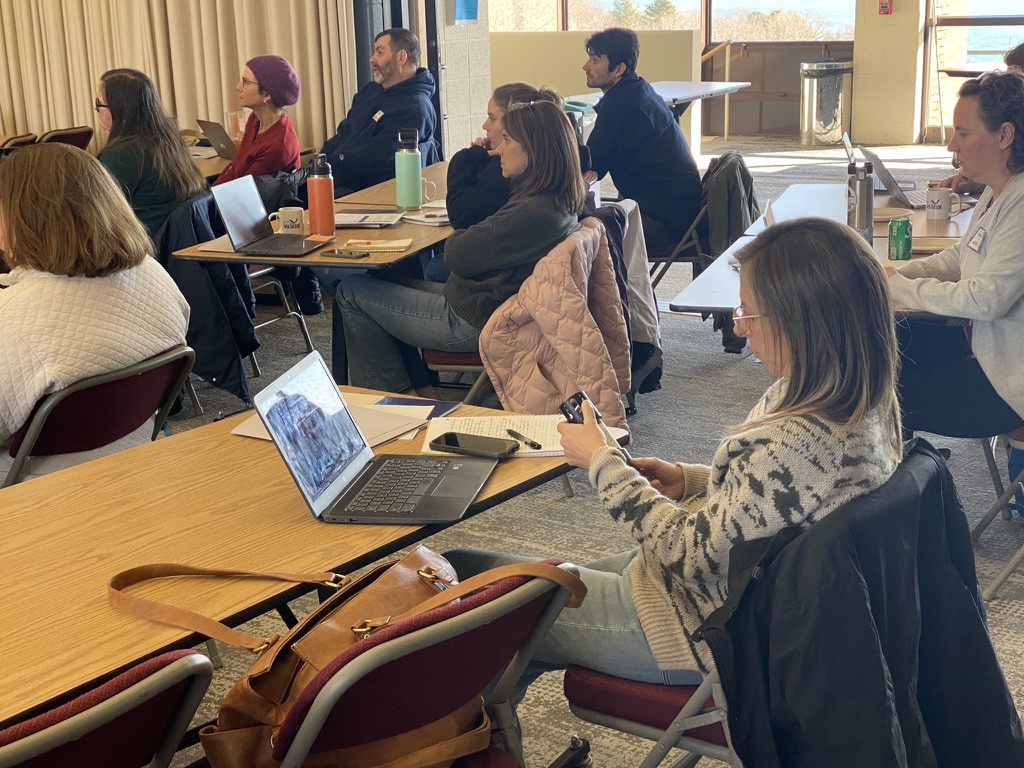
With Woods Hole Sea Grant, we held a training for teachers introducing our eMOLT curriculum into classrooms. Curriculum connects information fishermen are collecting on the water with environmental sensors to lessons on everything from oceanography to engineering.
By Doreen Leggett
When we talk about our work, the response is often, “We didn’t know you were involved in so much!”
Advocacy, education, policy, community organizing, economic development, research, communications, fundraising — the list goes on. To provide a sense of the breadth of activities we undertake we put together a snapshot (figuratively and literally) of some of what our staff has been up to recently. Take a look.
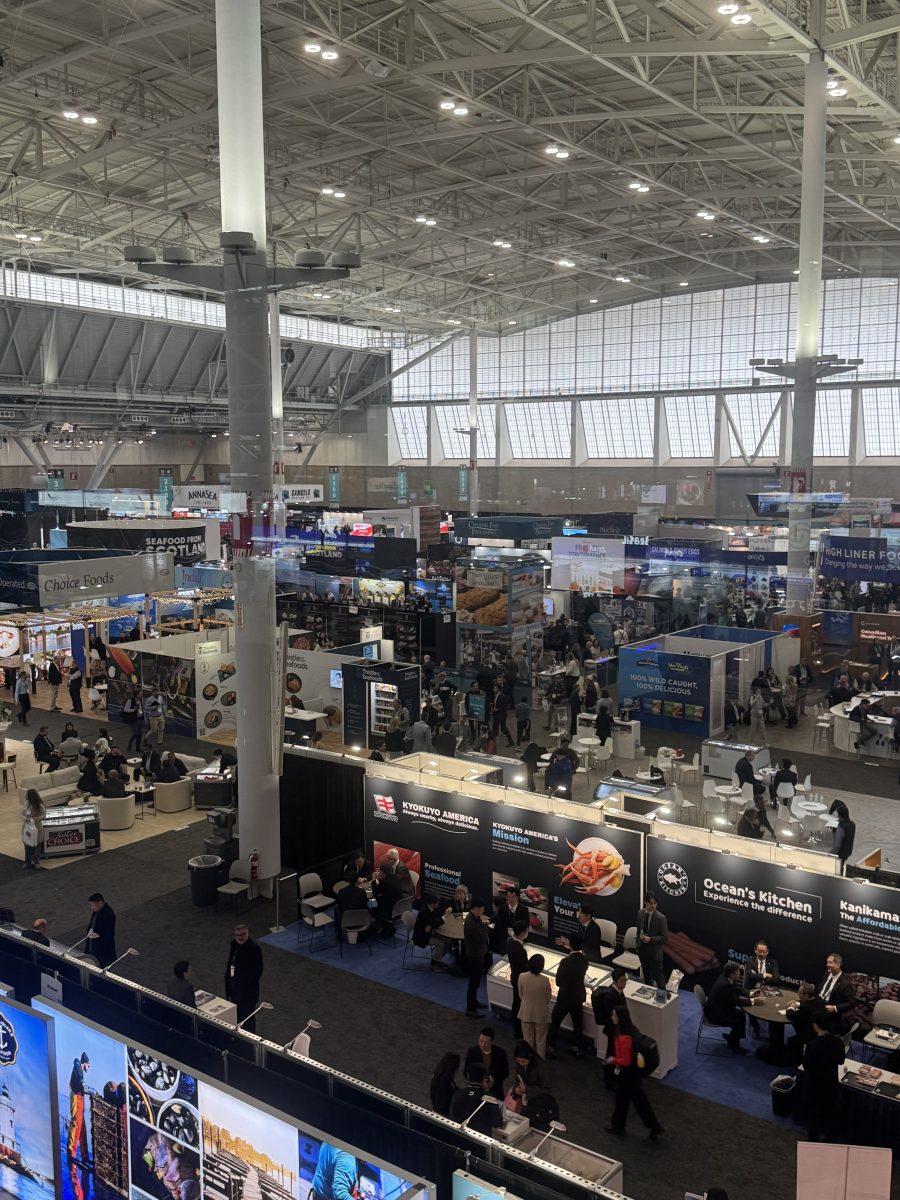
Working Waterfronts Community Organizer Caitlin “Caity” Townsend spent a few days at Seafood Expo North America after coming back from the Maine Fishermen’s Forum.
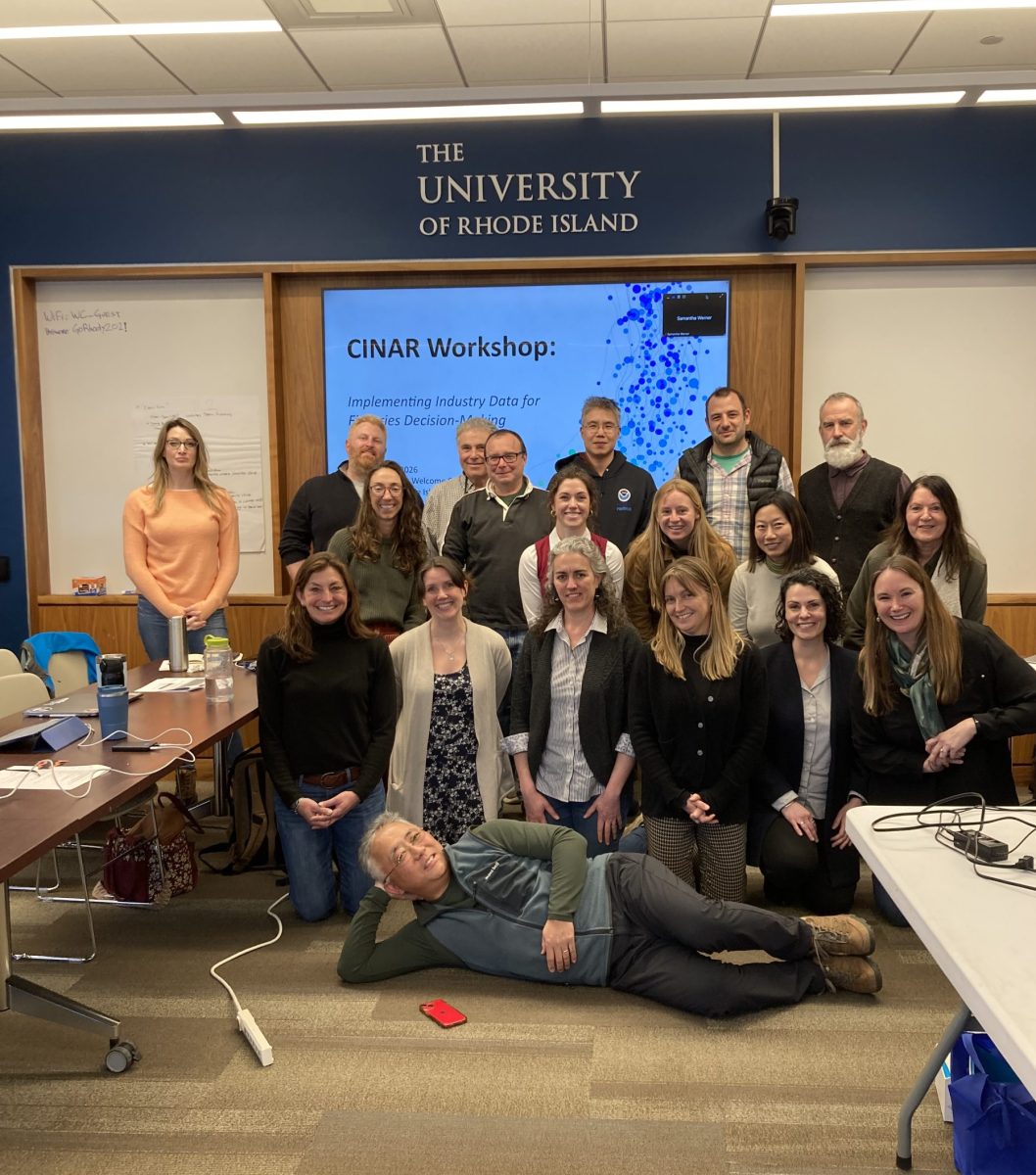
Policy Director Aubrey Church attended a two-day workshop in Rhode Island that focused on enhancing the role of social science and socio-economic information in fisheries decision-making.
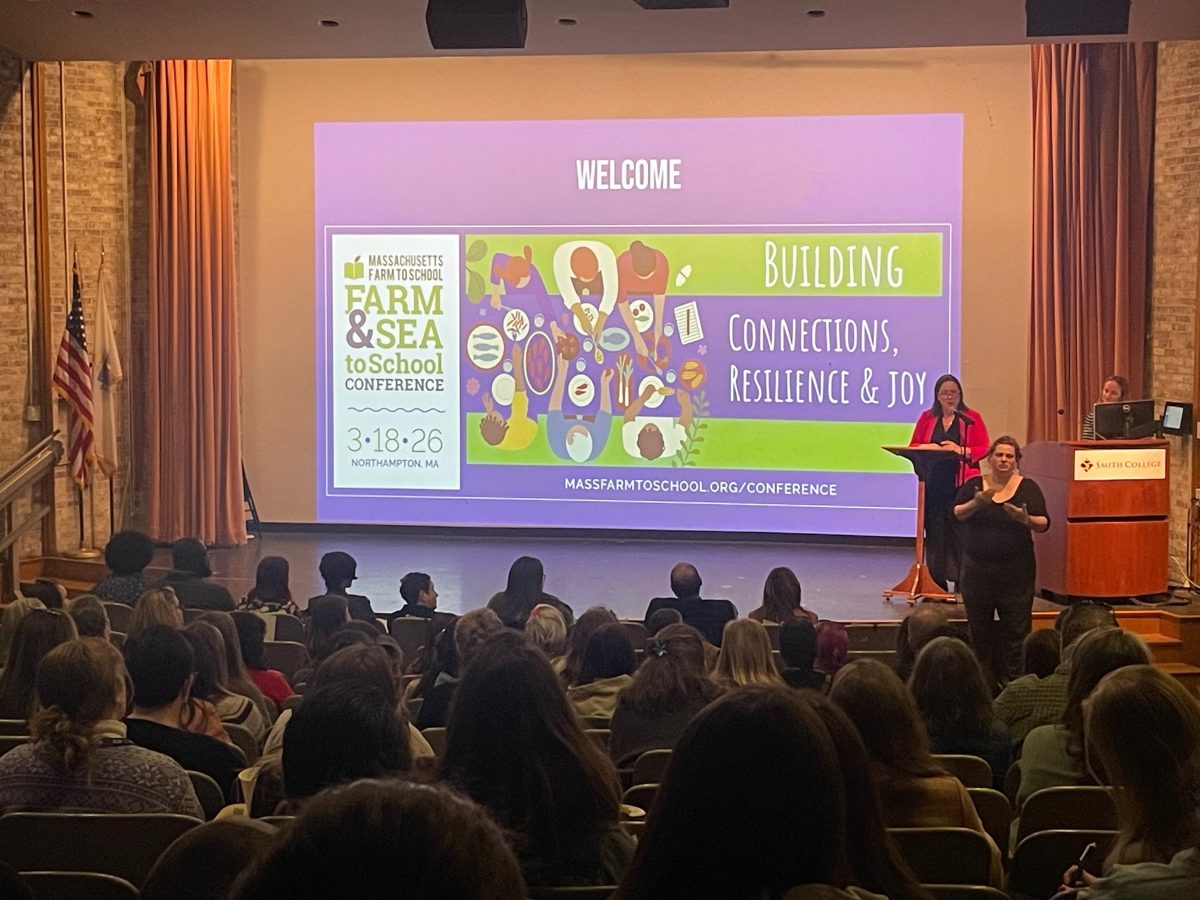
We travelled to Western Massachusetts to attend the annual Farm and Sea to School Conference.

Rep. Hadley Luddy, D-Orleans, visited our office to listen to fishermen’s concerns. The discussion complements the work Permit Bank Director Ray Rowell and Outreach Coordinator Ray Kane do at the state level, including with the state’s Marine Fisheries Advisory Commission.
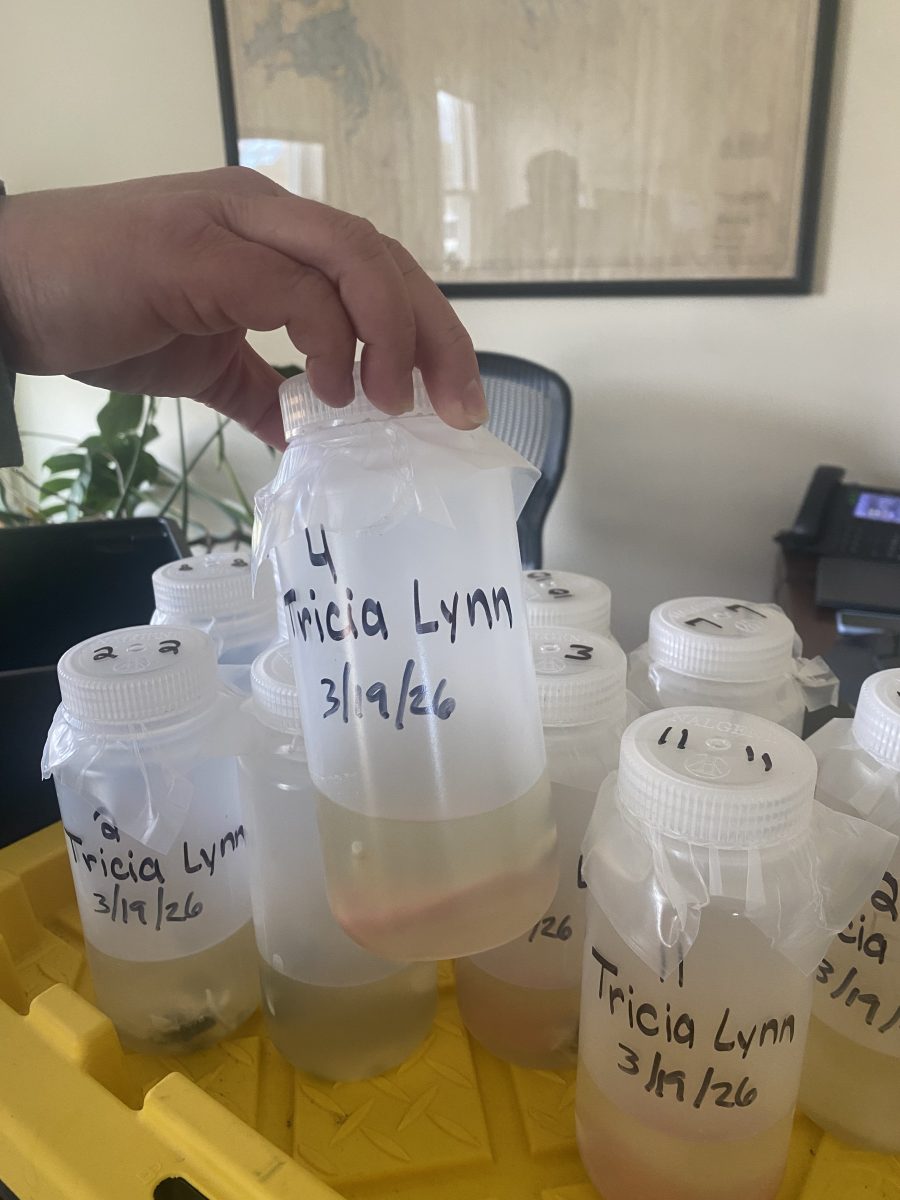
Research continues with scallops, working with fishermen to improve data that managers use in the regulatory process. Chief Operating Officer Mel Sanderson heads to New York next week for a cooperative research conference.

Development Director Brigid Krug, right, serves on the board of Philanthropy Partners of Cape Cod and the Islands and is co-chair of Philanthropy Day.

We had a team in Washington, D.C. along with captains Jake Angelo and Sean Connors. In Senator Angus King’s office, I-Maine, fishermen discussed where they bought their boats and the routes they travelled home.

Senior Outreach and Policy Advisor Seth Rolbein was among advocates and elected officials who testified and lobbied for a state version of the Local Food Purchasing Assistance Cooperative Agreement Program that supported farmers and fishermen in efforts to feed people across the state. LFPA used USDA funds to buy food from local, farmers and fishermen for distribution to food-insecure residents and helped support our Small Boats, Big Taste program. The federal program was cut last year; it reportedly generated close to $19 million in statewide economic impact.