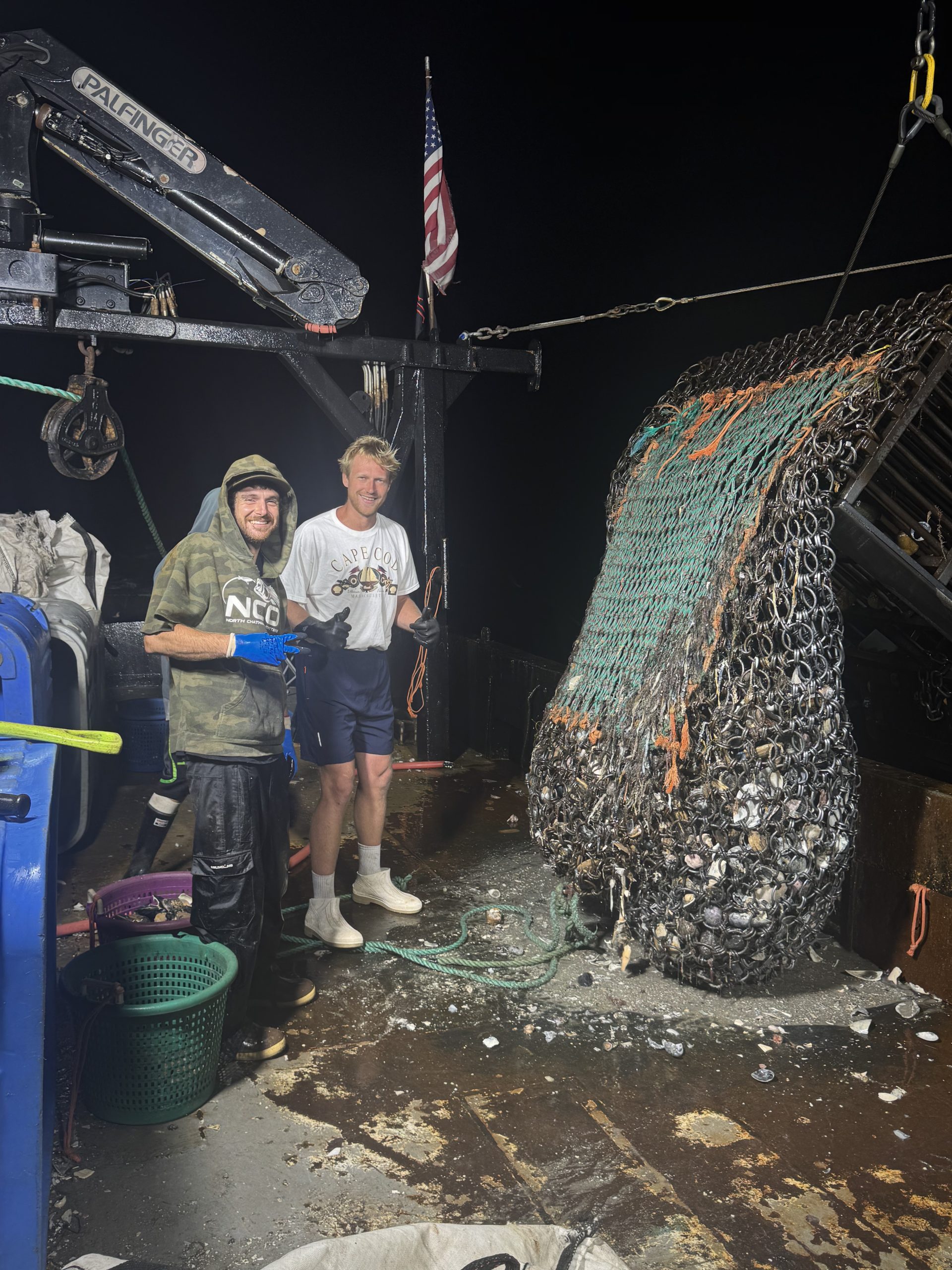
On Wednesday, Aug. 13, Ray Rowell got up before his 2 a.m. alarm. Rowell has worked for the Fishermen’s Alliance for a year and a half, but much of his adult life has been spent fishing and he always woke up before the chimes on his phone. He hates the sound.
That day he was going sea clamming, something he spent years doing on boats out of Wellfleet – where he lives – and Provincetown.
The trip had been set up at the Hookers Ball, the annual fundraiser and celebration put on by the Fishermen’s Alliance. Rowell was talking to Mike Van Hoose, captain of the sea clamming vessel Nemesis, owned by Jesse Rose, a Wellfleet native now Chatham transplant.
Monthly e-Magazine Articles
Novel experiment turns ocean red
“So you’re going on an acid trip?” asked my captain, Dean Pesante, as we threw lines aboard the gillnetter F/V Oceana and prepared to head out of Point Judith Harbor into Rhode Island Sound to haul gear one late July morning.
Acid trip? It took me a moment, then I remembered: The afternoon before, I had looped him in on a group text as I tried to find a fill-in for August 13, when I hoped to join a team from Woods Hole Oceanographic Institute as a fishing industry observer for their “Locking Ocean Carbon in the Northeast Shelf and Slope” (LOC-NESS) research cruise.
Outstanding in the Field comes to a wharf
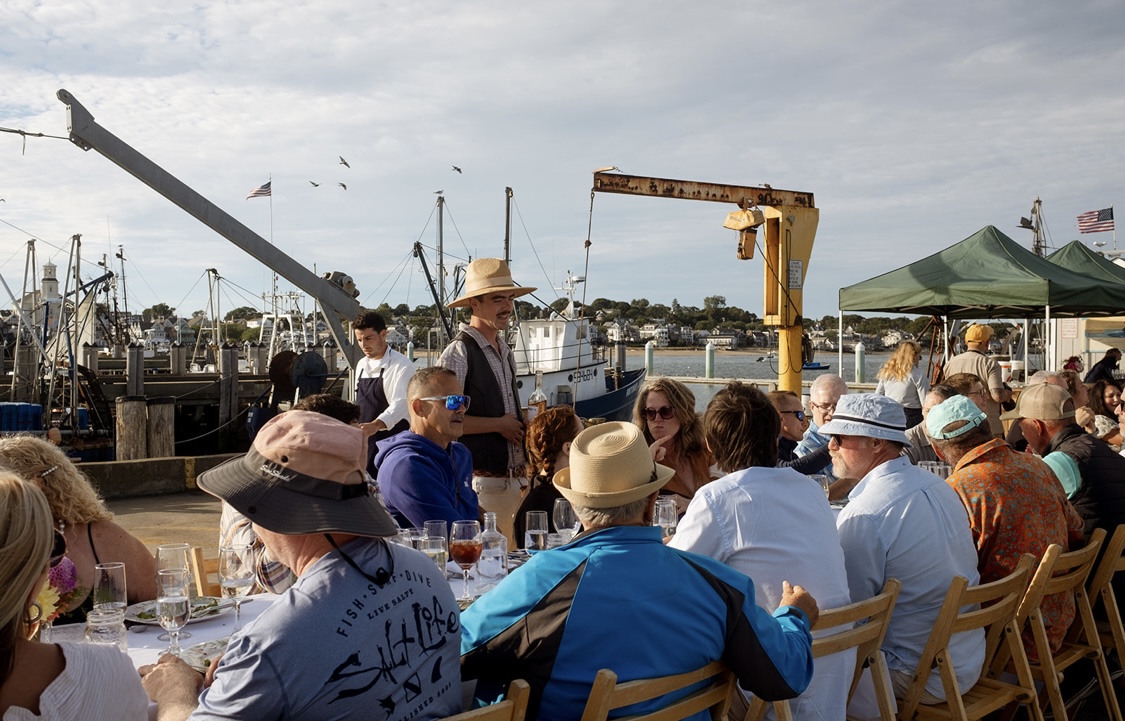
A table stretched a few hundred feet on the L-shaped end of MacMillan Pier in Provincetown, draped with white linen, set with a dazzling array of plates and wine glasses. While attendees enjoyed hors d’oeuvres, Mike Chute held the evening’s menu above the expanse to take a picture before guests were seated.
The ocean’s price
I have written stories of the risks encountered while at sea. But the ocean surrounding our Cape shores also provides many a life-long living. The bounty we take from our waters sustains and enriches us. The sea has, for millennia, given of its stores for the betterment of man and continues to do so. However, it does so at a cost. It’s important to remain aware not only of the wealth the sea provides but of the tasks it demands of us as well. When at sea in small boats remaining aware of the surrounding waters is not only necessary but critical. An experience we once had serves as an example of this contrast.
Photo Gallery: Summer catch in Chatham
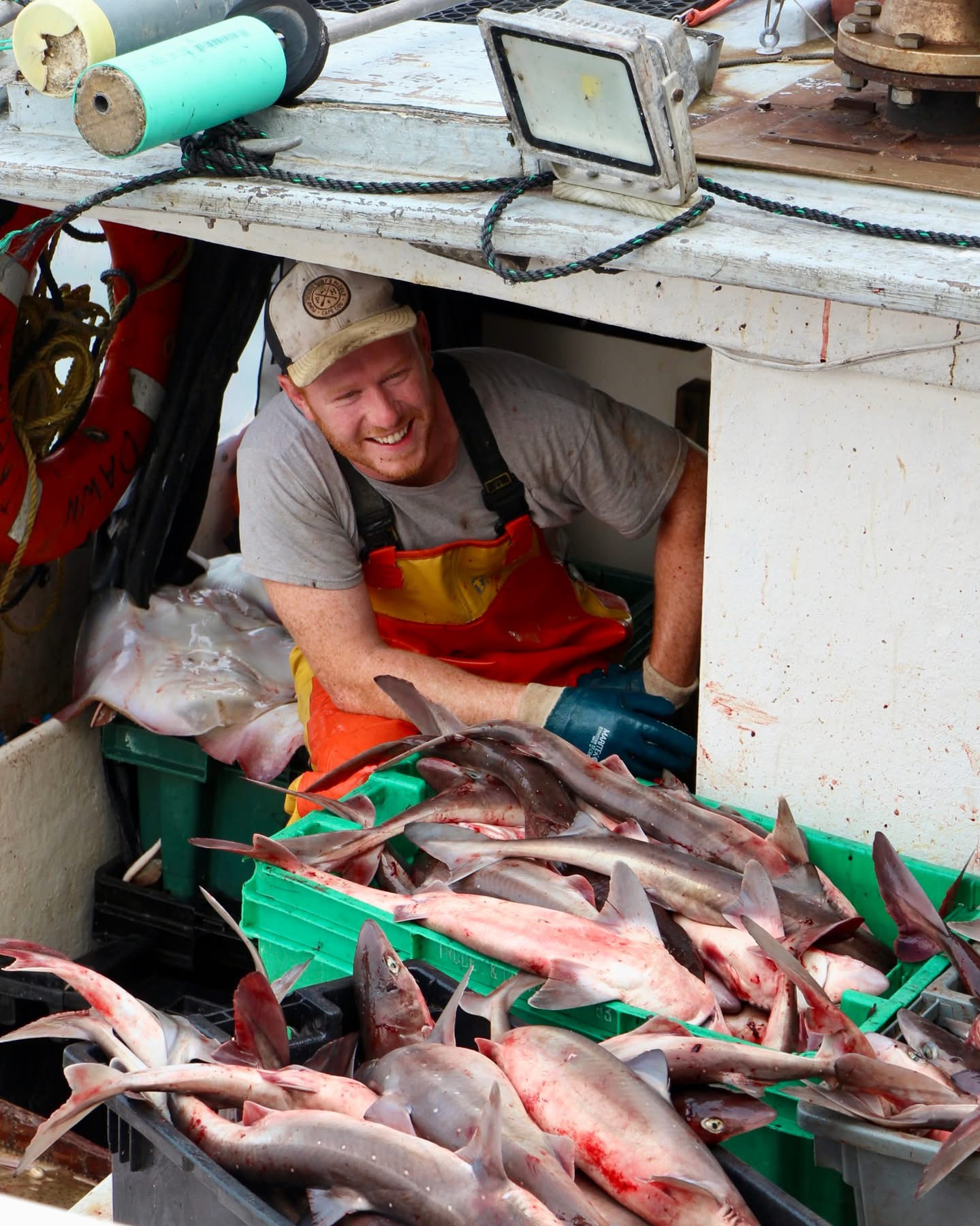
From the beginning of June through September, fishermen are catching skate and dogfish most days and landing at the Chatham Fish Pier, a crowd looking down from the observation deck. Fish are unloaded to Red’s Best or Shellfish Broker, who lease the bays from the town, iced and sent to New Bedford for processing. Most of the harvest is going to France or England, but captains and crew would love to see domestic demand increase. This photo gallery, by Charlee O’Neil of Mainsail Events, reveals the busyness of the pier, abundance of fish, consistent hard work and camaraderie. Fishing continues into fall and winter, though not at the same pace.
Migration defines us – including our ports
If the Cape is anything, it is a place of migration, and migrants.
This time of year that’s obvious. You can look in the air and see where the birds are headed. You can look in the sea and trace fish movements as waters cool. You can even look down the street, and wave to neighbors headed south or back to “the other home.”
Categories
e-Magazine PDF’s