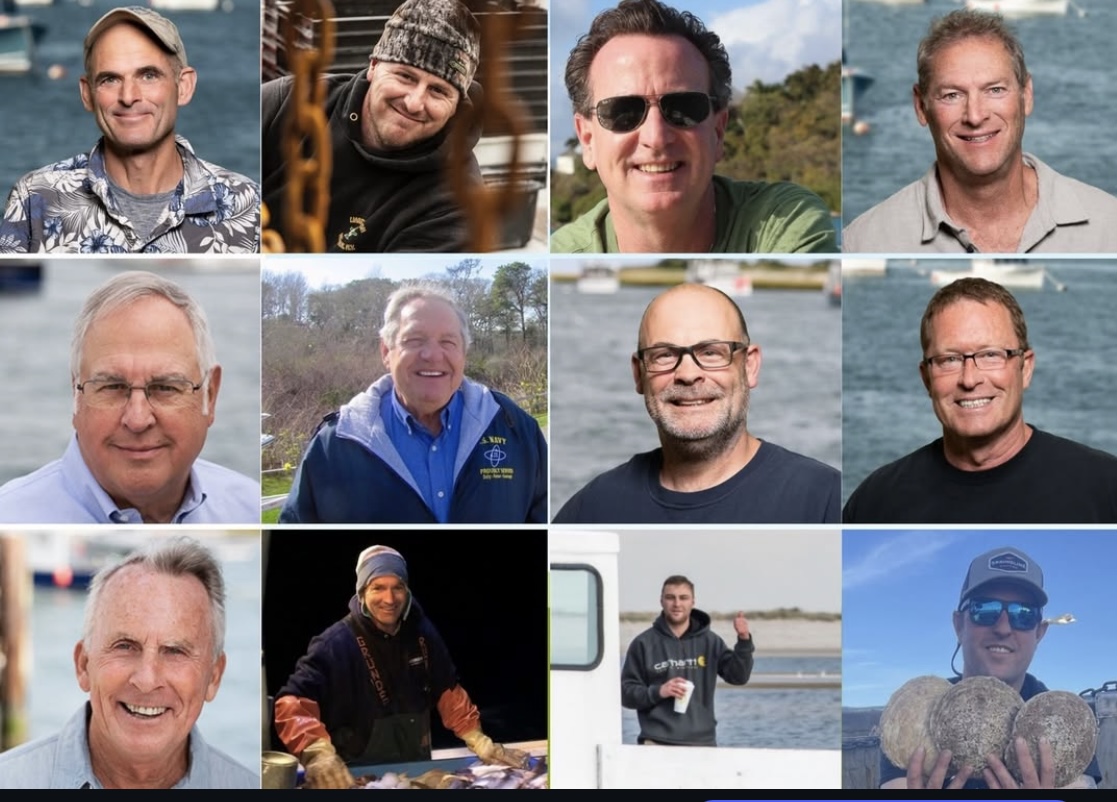
Neal Morris, captain of the F/V Fed Up, has been fishing for a long time, with a lot of captains and for a lot of different fish.
“I started in 1970 when I was 10, scalloping when I was 11,” he said.
Morris, who has gone for sea scallops offshore, started with bay scallops close to 50 years ago.
“I did five bushels a day. It was a nice thing everyone did, a community thing,” he explained.
Monthly e-Magazine Articles
Annual meeting covers a lot of (fishing) ground
Maritime trade, forecasters, fishermen, scientists, the Coast Guard and many others rely on ocean models to make predictions, and those models can be wrong.
George Maynard, a marine resources specialist at the Northeast Regional Science Center, said without real world information those models can become further and further “divorced from reality.” That’s where commercial fishermen come in. Sensors on their gear gather data about the ocean’s current conditions every time they fish.
Working Waterfronts front and center in San Diego
During an unseasonably cold February week in San Diego, California, hundreds of people from across the country gathered to explore how to protect one of the country’s greatest assets – working waterfronts — and talk about success stories like these:
The 100 percent Great Lakes Initiative aims to demonstrate how 100 percent of commercially-caught fish from the Great Lakes can be used for different purposes beyond just food. Fancy a whitefish skin wallet? Collagen-serum moisturizer?
With waterfront property a red-hot commodity, Maine legislators passed a bill that allows owners who protect commercial fishing wharves and other working waterfronts up to 40 percent off their tax bill.
Fishermen in Kodiak, Alaska were getting crushed by the low price of fish and high cost of fuel, so they made investments and now 99.9 percent of their electricity is renewable.
Reinventing Cape Cod overlooked its strength
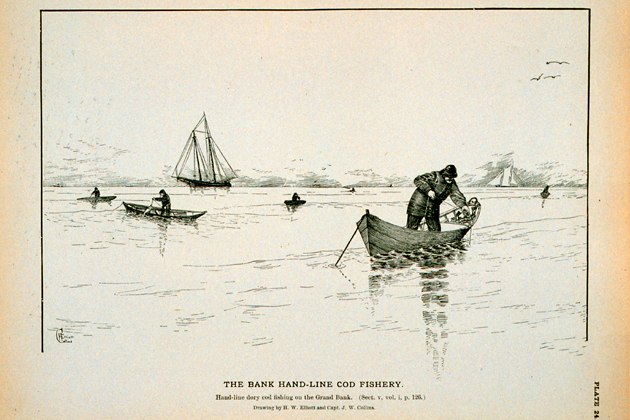
An iconic image of Old Cape Cod is of the solitary halibut fisherman rowing to shore in a dory, sou’wester pulled low. Winslow Homer’s The Fog Warning comes to mind.
It’s a romantic image, perhaps reflecting human yearning for what people wanted the Cape to be, not what it was, says Matthew McKenzie, assistant professor of history, whose research examined the complex relationships between humans, the sea, and the resource that once was required for survival on the Cape – fish.
McKenzie studied how changes in the cultural landscape of Cape Cod are linked to the economic and ecological changes just offshore, as fishermen tried to cope with the surge and ebb of consumer demand and a dwindling catch.
Photo Gallery: History through the lens
Social media can be divisive, but photographer Steve Kennedy’s posts on Provincetown, A Fishing Village, are unifying and strengthen community. The picture above is a case in point – in amongst the various commenters’ insights about Captain Henry Duarte mending the net for the F/V Charlotte G is a genealogy of the vessel on the right – F/V Little Infant.
The boat in the picture is the third Little Infant that became the F/V Terra Nova in the late 80s. As coastal communities change, the heritage of the fishing industry that built the town and continues to give it color, personality and a strong economy becomes more important.
Tariffs, a two-edged sword, slice through fisheries
People across the nation – the world actually – are considering how President Trump’s dramatic new strategies and priorities will impact their lives and what they care about. We’re no different.
One example: Every year I join fisheries regulators from the United States and Canada to hammer out how the two countries should split up shared fish stocks (cod and haddock of major importance) that range across our maritime border on Georges Bank. The idea is to make sure a division is fair, and that in combination we don’t overfish.
This year we’ve been told that we will not be meeting. How that will affect our fishermen’s ability to harvest is unclear so far.
Categories
e-Magazine PDF’s